World · World News Bureau
Podcasts emerge as influential political force across Asia-Pacific
Audio platforms are reshaping political discourse in South and Southeast Asia, offering candidates and movements direct access to audiences while raising questions about editorial oversight and misinformation. The medium's rapid growth is forcing traditional political institutions to adapt their engagement strategies.
LSN World News ·
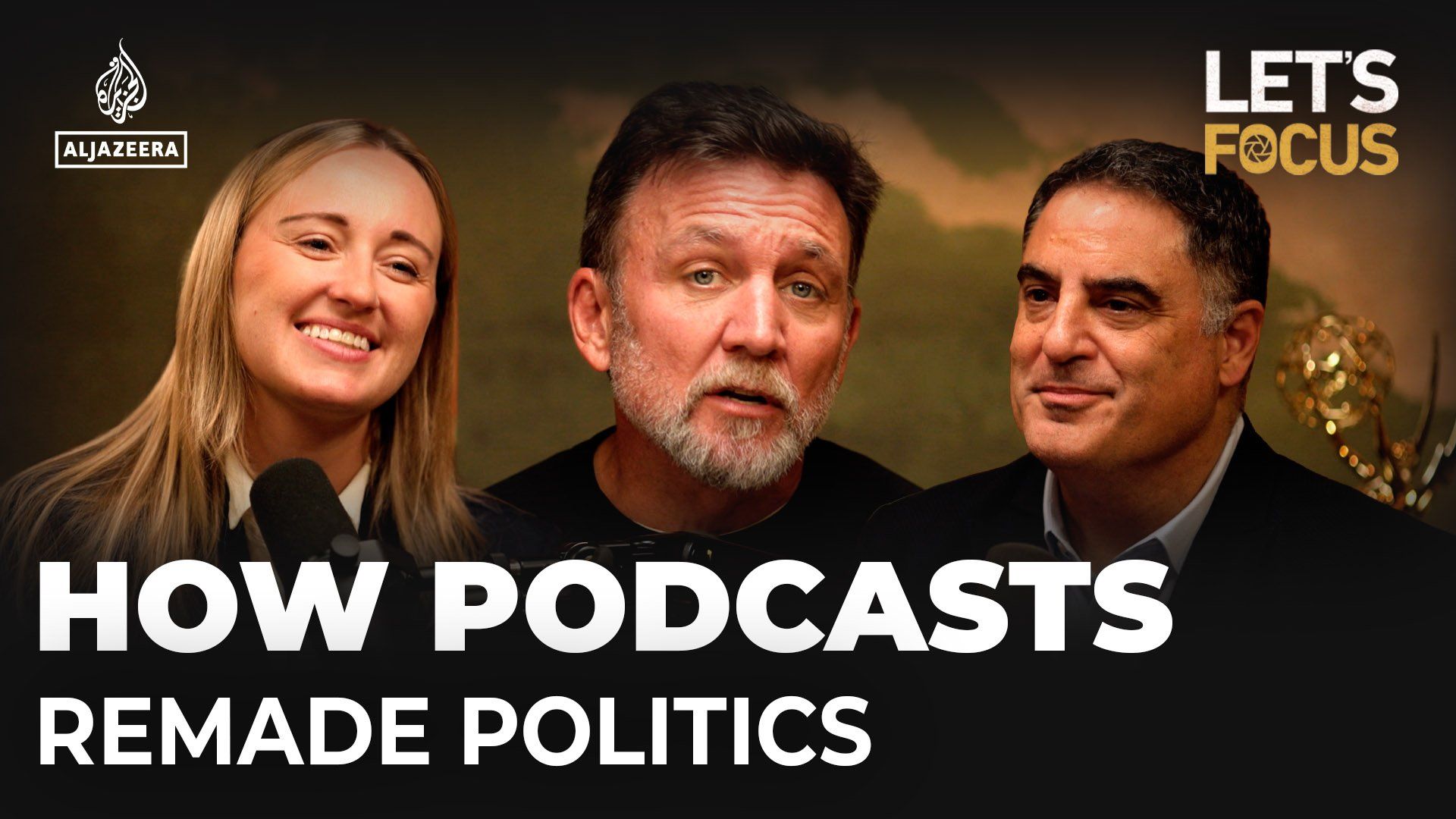
Podcasts have evolved from niche entertainment into significant political influencers across the Asia-Pacific region, enabling politicians, activists, and political movements to bypass conventional media gatekeeping and reach targeted demographics. The format's intimate, conversational nature appeals to younger voters and underserved communities, creating new pathways for political messaging that circumvent traditional broadcast standards and fact-checking mechanisms.
The proliferation of political podcasts reflects broader shifts in media consumption, particularly among urban audiences who increasingly rely on audio content during commutes and daily routines. Political figures have recognized the medium's potential for authentic, unfiltered communication with constituents, using long-form discussions to elaborate on policy positions and build personal connections with listeners. This trend has prompted established political parties and candidates across the region to develop their own podcast programming.
However, the medium's minimal regulatory framework has raised concerns among media observers and election authorities. Unlike traditional broadcast journalism, podcasts typically operate without editorial oversight, fact-checking protocols, or equal-time provisions, creating opportunities for unchecked political claims and misinformation. The decentralized nature of podcast distribution makes monitoring and regulating political content significantly more challenging than traditional media.
As podcasting's influence on political outcomes becomes increasingly evident, policymakers, media organizations, and civil society groups are grappling with questions about appropriate governance and audience literacy. Some jurisdictions are exploring regulatory approaches, while others advocate for enhanced media literacy initiatives to help listeners critically evaluate political podcast content. The tension between podcasting's democratic accessibility and its potential for unmoderated political speech continues to shape discussions about media's role in political systems across South and Southeast Asia.