Politics · India Bureau
Polar ice sheets shed 11 trillion tonnes since 1979, raising seas
Greenland and Antarctica have lost more than 11 trillion tonnes of ice over four decades, contributing to a 31.4-millimetre rise in global sea levels. The loss has accelerated due to faster-flowing glaciers and surface melting driven by warming oceans.
LSN India ·
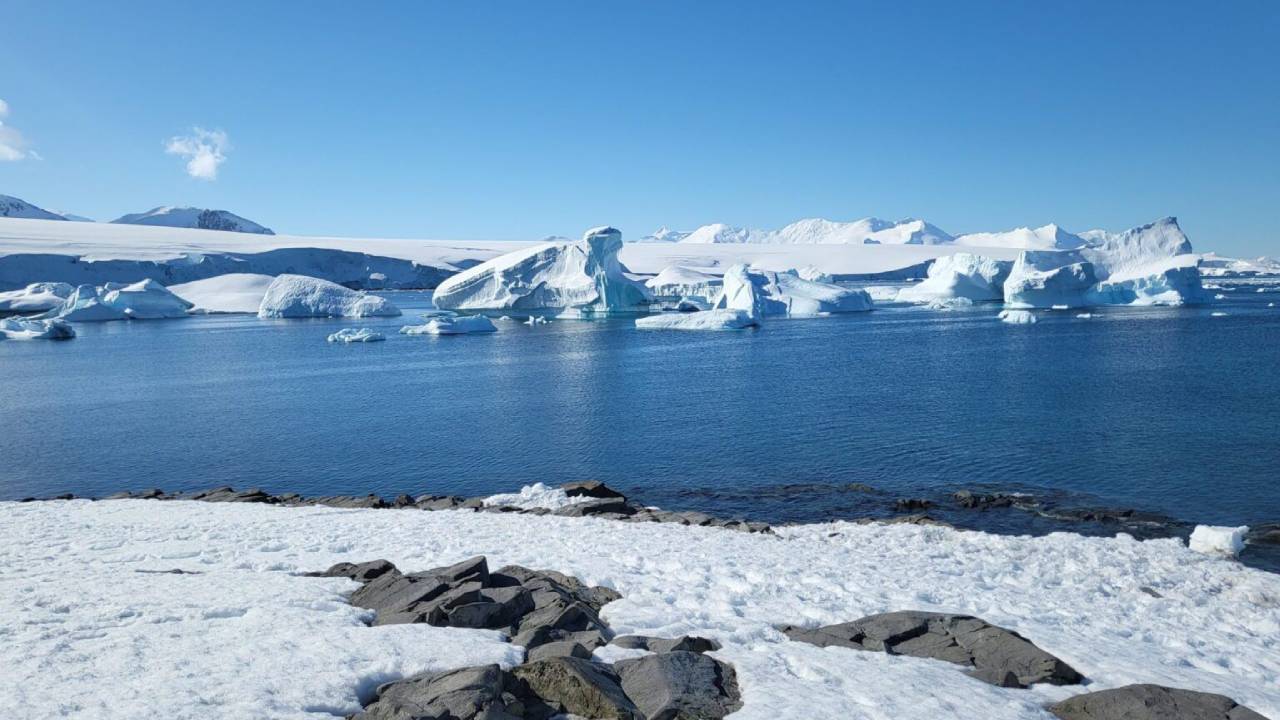
A comprehensive assessment of polar ice loss reveals that Greenland and Antarctica have shed 11,309 billion tonnes of ice since 1979, with profound implications for coastal regions worldwide, including South Asia. The combined ice loss has raised global sea levels by 31.4 millimetres, with the trend showing no signs of slowing.
The ice loss mechanisms differ between the two polar regions. Faster-flowing glaciers—accelerated by warming waters and changing ice dynamics—accounted for 84 percent of the total loss, while direct surface melting from atmospheric warming contributed the remaining 16 percent. Scientists note that the relative contribution of these two processes varies seasonally and regionally.
The findings underscore the long-term impact of warming oceans on the stability of polar ice sheets. As ocean temperatures continue to rise, glaciers are responding by flowing more rapidly toward the sea, a process that scientists expect will intensify if global warming trends persist. The research suggests that even if global emissions were stabilized immediately, the polar regions would continue losing ice for decades due to thermal inertia in the climate system.
For India and other South Asian nations with extensive coastlines, the implications are significant. Rising sea levels threaten to increase coastal erosion, saltwater intrusion into agricultural lands, and flooding in low-lying regions. Environmental experts warn that continued ice loss in Greenland and Antarctica will exacerbate these challenges, making climate adaptation measures increasingly critical for the region's long-term sustainability.