World · World News Bureau
Police misconduct cases strain South Korea's judicial reform agenda
High-profile scandals involving law enforcement officers are testing the credibility of South Korea's justice system overhaul under President Lee Yoon-suk's administration. The cases highlight ongoing tensions between reform efforts and entrenched institutional problems.
LSN World News ·
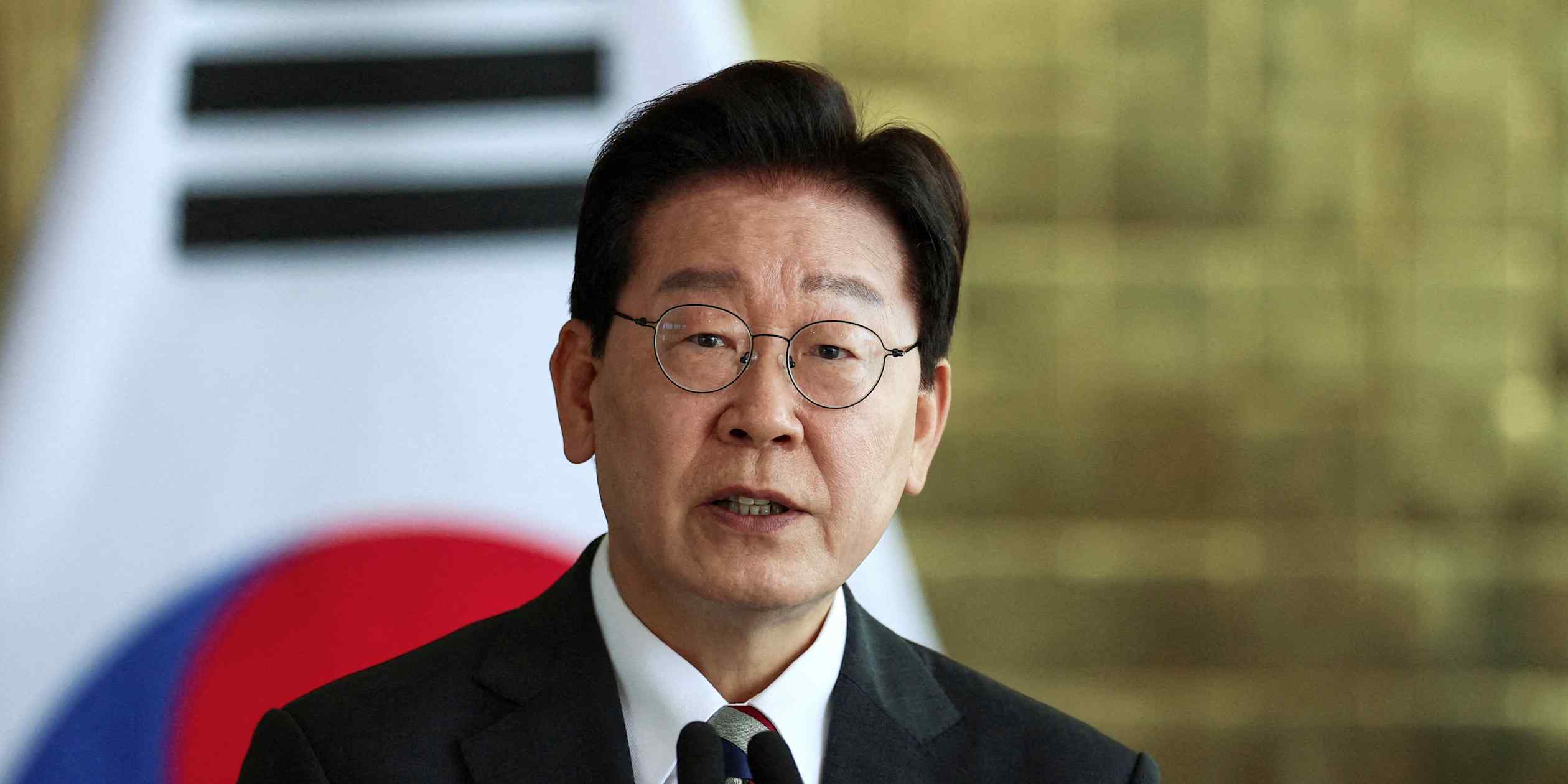
South Korea's police force faces mounting scrutiny as several high-profile misconduct cases threaten to undermine the government's broader judicial reform initiatives. The incidents have raised questions about the effectiveness of oversight mechanisms and the pace of institutional change within the country's law enforcement agencies.
President Lee Yoon-suk's administration has prioritized reforms to modernize the justice system and strengthen accountability measures. However, recent police scandals have exposed gaps in implementation and enforcement, suggesting that structural changes remain incomplete despite policy announcements.
The cases have drawn public attention to the conduct of individual officers and systemic issues within police departments across the country. Civil society groups and legal experts have called for more rigorous accountability standards and transparent investigative procedures to restore public confidence in law enforcement.
Official responses have included promises of internal reviews and disciplinary actions against officers involved in the incidents. However, observers note that sustained reform will require comprehensive changes to training protocols, oversight structures, and organizational culture within the police establishment.
The unfolding situation presents a significant test of whether South Korea's justice reforms can be implemented effectively across its institutions, with implications for public trust in the legal system more broadly.