Politics · Bangladesh Bureau
Political Blindness Cited in Jinnah Portrait Removal Row
A political figure has criticized those adhering strictly to conventional party politics, suggesting their ideological rigidity clouds judgment in contentious symbolic disputes. The remarks emerge amid controversy surrounding the removal of a portrait depicting Muhammad Ali Jinnah.
LSN Bangladesh ·
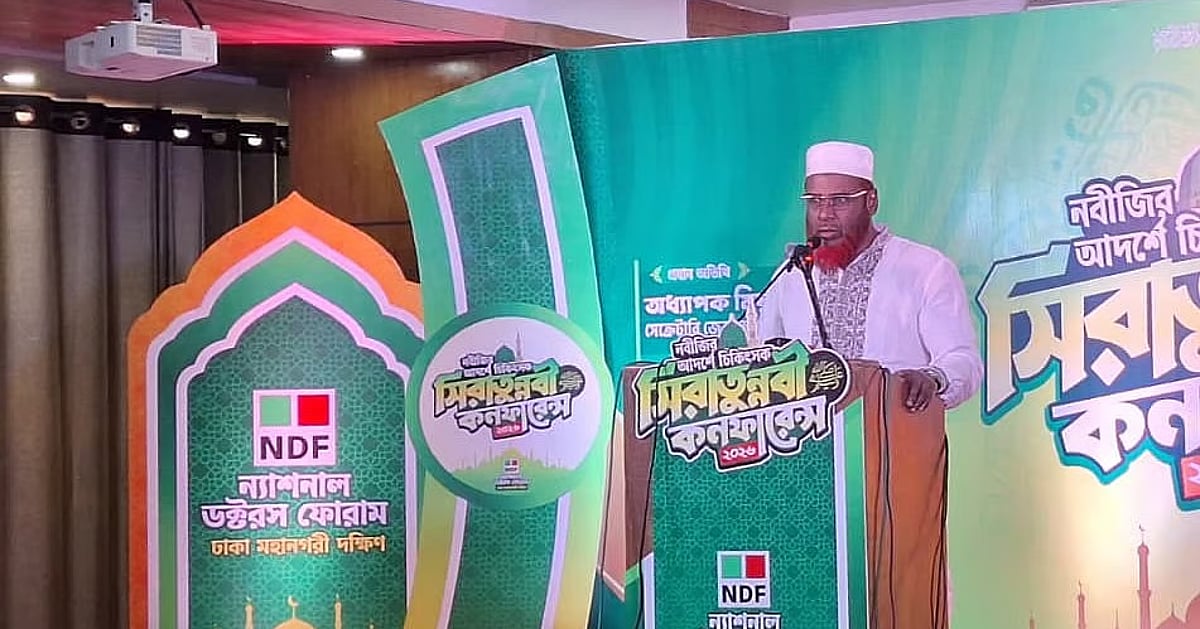
A prominent political commentator has weighed into the heated debate over the removal of a Jinnah portrait, arguing that rigid adherence to traditional party political positions prevents objective assessment of such divisive symbolic acts.
Golam Porwar suggested that individuals constrained by conventional political affiliations lack the clarity of vision necessary to evaluate matters that transcend party lines. He characterized this ideological inflexibility as a form of blindness that hampers nuanced discussion on contentious national issues.
The removal of the portrait has triggered broader debate within Bangladesh's political sphere, with observers split on the merits and implications of the decision. The dispute reflects deeper tensions regarding historical symbolism and national identity within the country's political discourse.
Portar's intervention suggests that some political figures view the controversy as extending beyond conventional party politics, calling instead for a more independent analytical approach to understanding the controversy's underlying significance and implications for national discourse.