Business · World News Bureau
Political gridlock threatens France's fiscal stability
France faces mounting budgetary challenges as political fragmentation in parliament hampers efforts to implement necessary fiscal reforms. The impasse reflects broader divisions within French society over economic policy direction.
LSN World News ·
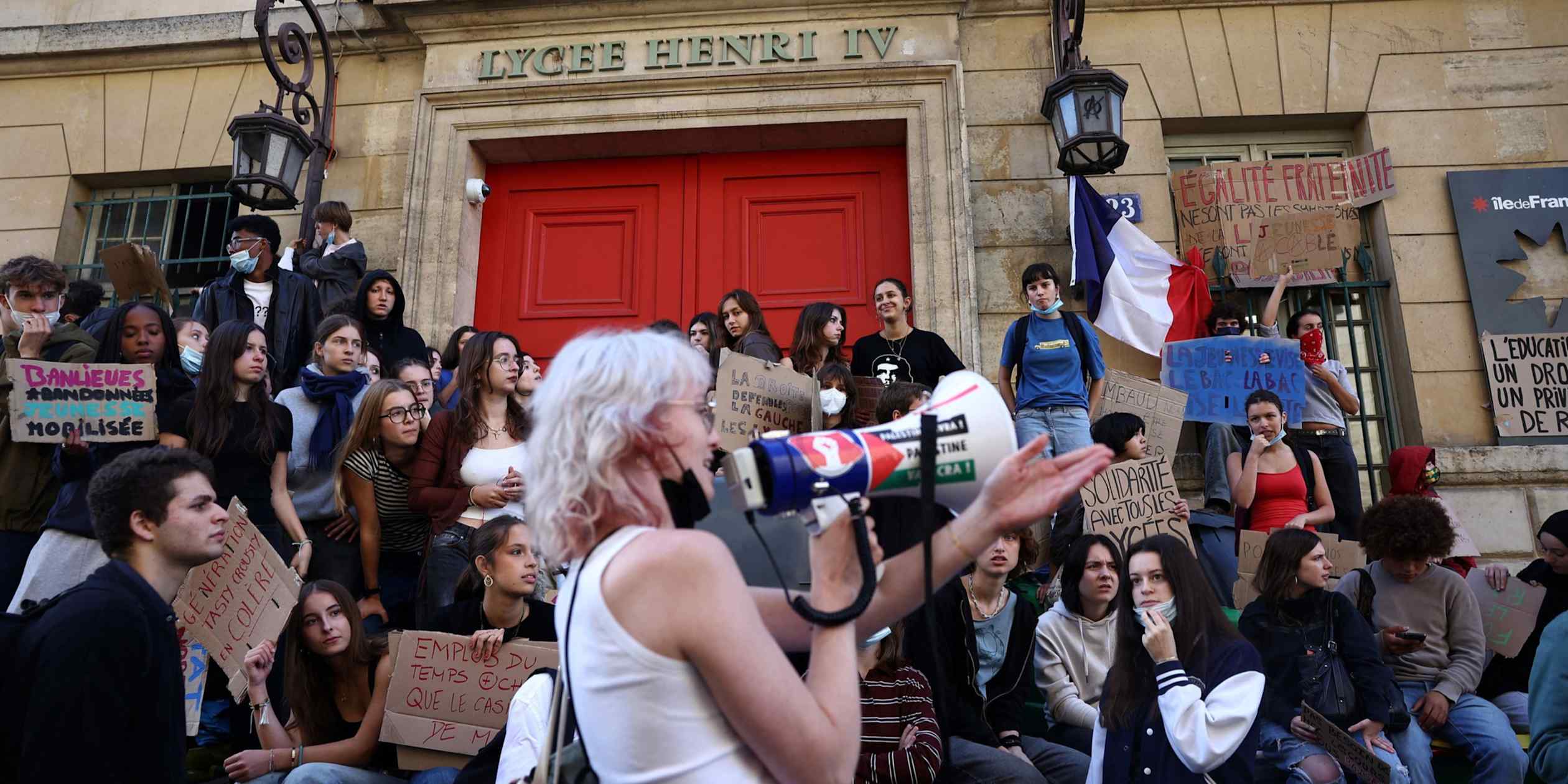
France's budgetary troubles extend beyond traditional economic indicators, with political dysfunction emerging as a central obstacle to addressing the nation's public finances. The fragmented composition of parliament has created significant hurdles for successive governments attempting to pass necessary fiscal legislation, leaving key reforms stalled in legislative committees.
The current political environment has made it increasingly difficult for any single party or coalition to command sufficient support for comprehensive budget measures. This gridlock comes at a time when France faces pressure from international economic institutions to address structural deficits and control spending growth, particularly in social programs and public sector employment.
Analysts point to deep ideological divisions between left-wing, centrist, and right-wing factions as the primary cause of legislative paralysis. These competing visions for France's economic future have prevented the emergence of consensus on tax policy, pension reform, and public spending priorities that economists argue are essential for long-term fiscal health.
Without breakthrough negotiations between parliamentary blocs, France risks prolonged uncertainty regarding its budget trajectory. The political stalemate suggests that resolving the country's fiscal challenges will require not merely technical economic solutions, but rather a fundamental shift in the political will of French lawmakers to negotiate compromise positions.