World · India Bureau
Political leadership remains male-dominated, gender parity elusive: Annamalai
A senior political figure has highlighted the persistent underrepresentation of women in elected offices and decision-making positions across the country, underscoring the gap between constitutional guarantees and ground reality.
LSN India ·
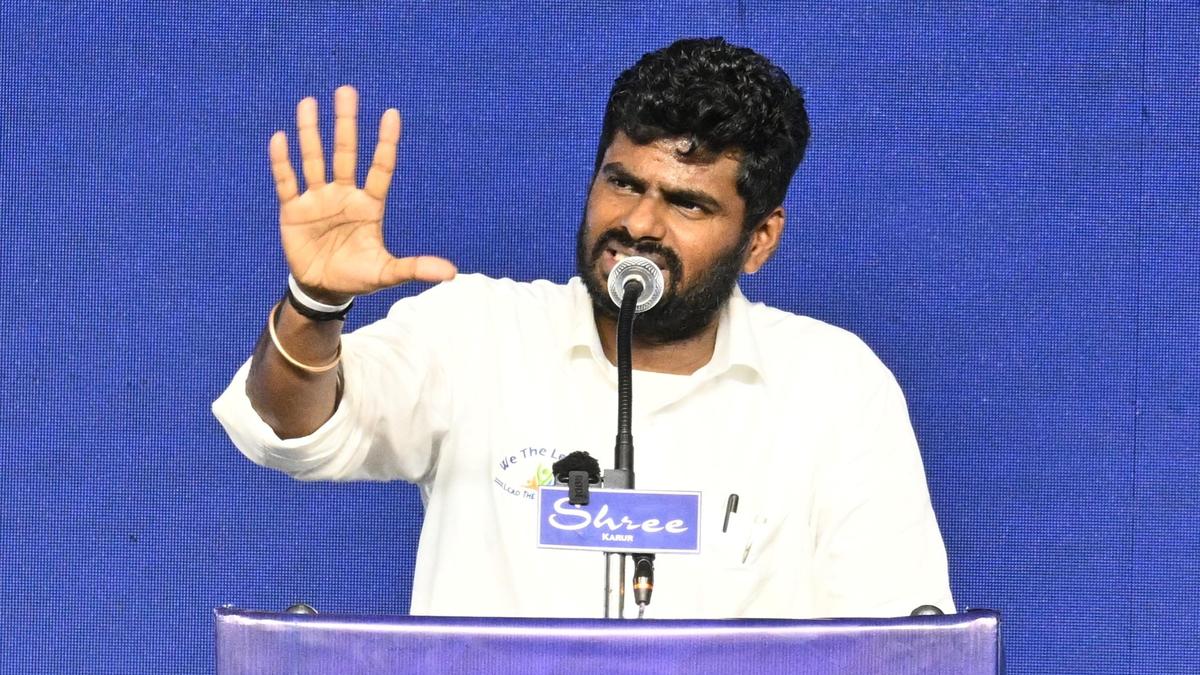
Women continue to occupy a disproportionately small share of political offices and leadership roles in India, according to observations by senior politician Annamalai, who pointed to the systemic barriers that prevent gender parity in governance.
The assertion reflects broader concerns about women's participation in legislative bodies and administrative structures at national, state, and local levels. Despite constitutional provisions aimed at ensuring equal rights and opportunities, women remain underrepresented in elected assemblies, cabinet positions, and key decision-making forums.
Analysts attribute this imbalance to multiple factors, including entrenched social norms, limited access to political networks, and structural impediments within party systems. While some states and municipalities have made progress through reservations and targeted initiatives, the overall representation of women in Indian politics remains far below demographic parity.
Efforts to bridge this gap have gained momentum in recent years, with debates surrounding constitutional amendments for increased women's reservations in legislatures. Advocates argue that greater female participation in politics would lead to more inclusive policy-making and better representation of societal concerns, while implementation challenges continue to slow progress toward meaningful gender balance in democratic institutions.