World · India Bureau
Political realignments spark fresh scrutiny of India's anti-defection law
Recent splits within regional parties have reignited debate over the Tenth Schedule's two-thirds merger exemption and whether sheer numerical strength can protect lawmakers from disqualification. Legal experts question whether the constitutional safeguard is being stretched beyond its original intent.
LSN India ·
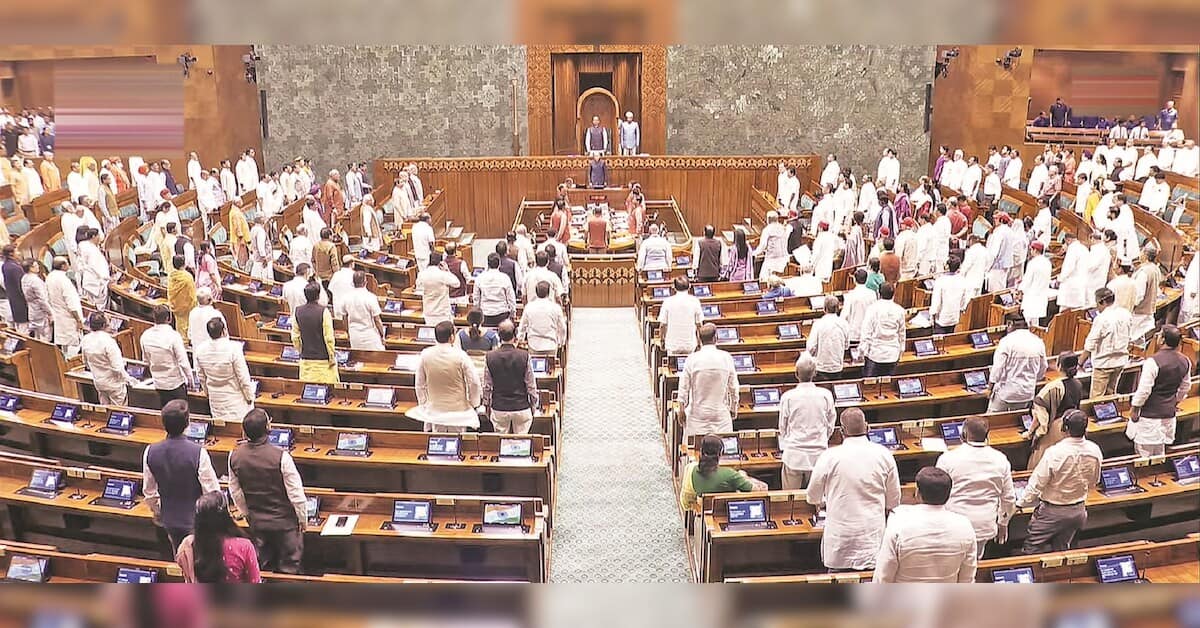
Political developments involving regional powerhouses have placed India's anti-defection framework back under the microscope, with lawmakers and constitutional scholars questioning how merger provisions operate in practice. The Tenth Schedule, introduced to curb floor-crossing, contains a two-thirds exception that permits legislators to switch parties without facing disqualification if the merger is approved by that proportion of the party's parliamentary wing. However, recent party reorganizations have exposed ambiguities in how this threshold functions and whether numerical strength alone suffices to trigger the exemption. The question of whether the merger must be formally approved or merely declared has become increasingly contentious as parties seek to retain legislators who might otherwise face disqualification. Legal analysts argue that successive political realignments have tested the limits of this constitutional provision, with some contending that the exception was designed for genuine organizational mergers rather than strategic party splits or faction-based reorganizations. The debate underscores tensions between protecting legislators' freedom of political association and preventing organized defection. As regional parties continue to fragment and regroup, the absence of clarity on merger requirements has created space for differing interpretations, prompting calls from constitutional experts for legislative clarification to align the law's application with its foundational intent.