World · Malaysia Bureau
Politicians' moral authority questioned in faith-based politics debate
Questions are being raised about whether politicians believe they possess divine sanction to distribute spiritual rewards and moral guidance to constituents. The issue reflects broader tensions between religious authority and political power in the region.
LSN Malaysia ·
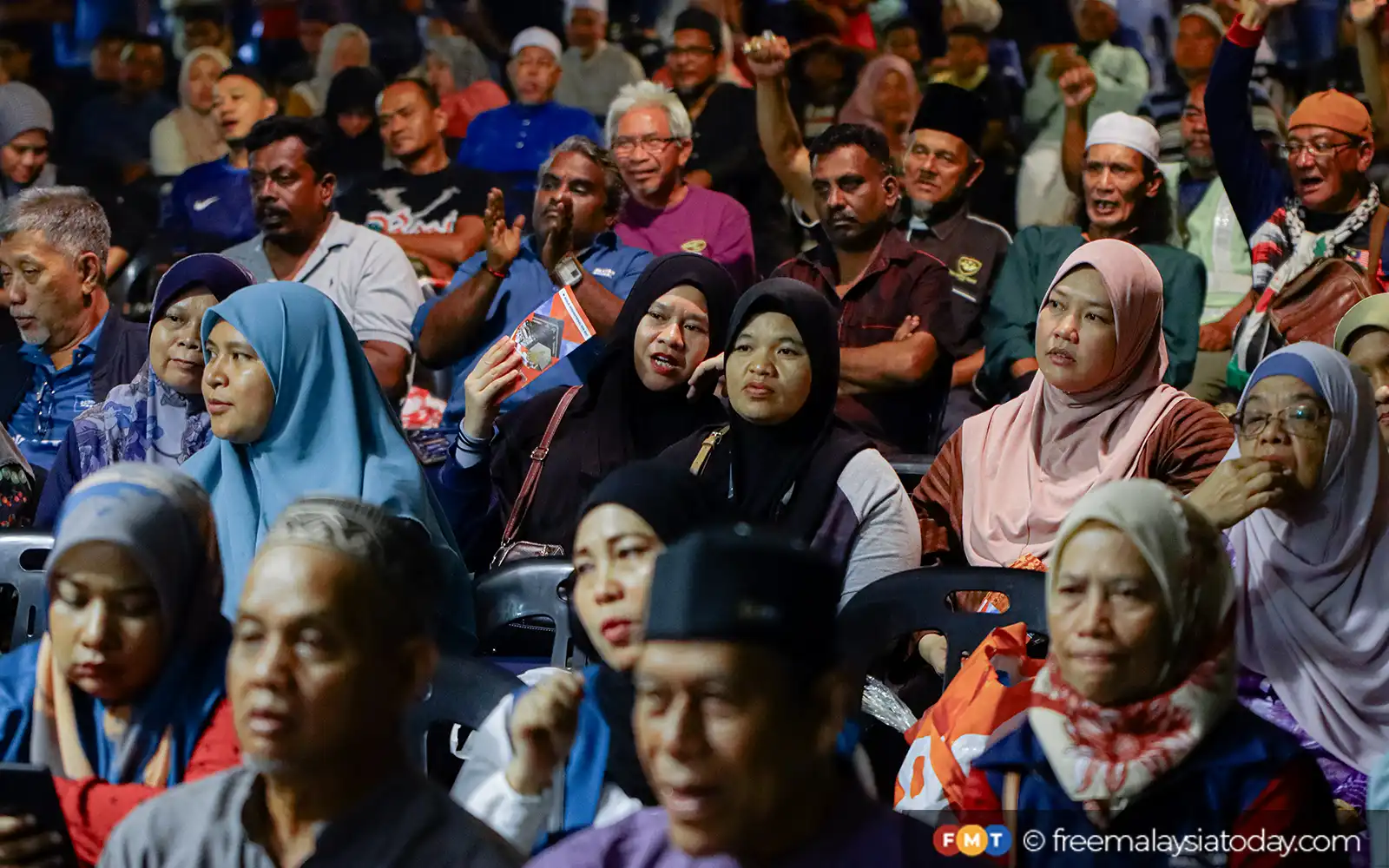
The intersection of religious authority and political power has come into sharp focus as observers question whether elected officials view themselves as intermediaries of spiritual rewards. The practice of framing political actions in moral or faith-based terms—sometimes described as selling spiritual merit—raises concerns about the blurring of secular governance and religious doctrine.
Critics argue that when politicians invoke divine approval for their policies or present themselves as arbiters of moral conduct, they may be overstepping appropriate boundaries. This approach can influence voters by suggesting that supporting particular political positions carries spiritual significance, potentially conflating electoral support with religious obligation.
The phenomenon appears particularly pronounced in Southeast Asian democracies, where deep-rooted spiritual traditions coexist with modern political systems. Politicians frequently appeal to religious sentiments and cultural values when campaigning or justifying policy decisions, sometimes creating ambiguity about whether decisions are grounded in governance principles or religious interpretation.
Religious scholars and political analysts have expressed concern that this blending of domains may undermine both democratic processes and authentic religious practice. The debate underscores ongoing questions about how pluralistic societies should balance respect for cultural and spiritual traditions with transparent, secular governance standards.