Politics · India Bureau
Poll-bound states dominate India's military recruitment landscape
Uttar Pradesh, Punjab and Uttarakhand account for a disproportionately large share of India's defence personnel, raising questions about recruitment patterns as the government's Agnipath scheme faces mounting criticism ahead of Assembly elections.
LSN India ·
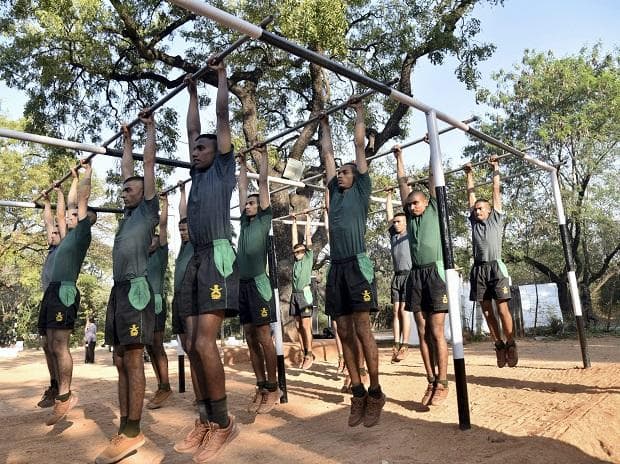
Three states heading to the polls in the coming months—Uttar Pradesh, Punjab and Uttarakhand—account for a significantly higher representation in India's defence forces compared to their population share, according to available recruitment data. This concentration of military personnel has become a focal point in election-season debates as the government's contentious Agnipath scheme, which recruits soldiers on a four-year contract basis, continues to draw criticism from veterans and opposition parties.
Uttar Pradesh, India's most populous state, maintains the highest absolute numbers of defence personnel, while Punjab and Uttarakhand also show disproportionately high representation relative to their populations. Analysts attribute this pattern partly to historical recruitment policies, demographic factors, and the social prevalence of military service in these regions. However, the disparity has assumed political significance as these states prepare for Assembly elections.
The Agnipath overhaul, introduced in 2022, fundamentally restructured military recruitment by replacing permanent contracts with time-bound engagements. The scheme has faced sustained opposition from prospective recruits and armed forces veterans, who cite concerns over job security and pension benefits. Critics argue that the scheme disproportionately impacts recruitment in states with strong military traditions and high unemployment rates.
As election campaigns intensify, political parties have seized on military recruitment and employment issues as key electoral matters. The concentration of defence personnel in poll-bound states adds another layer to ongoing debates about fairness in recruitment practices and regional representation in India's armed forces.