Business · India Bureau
Poor diet, alcohol use increase venous stroke risk: Karnataka study
A new study from a Bengaluru research institute has identified nutritional deficiencies and alcohol consumption as significant risk factors for cerebral venous thrombosis. The findings highlight the need for dietary interventions in preventing this serious neurological condition.
LSN India ·
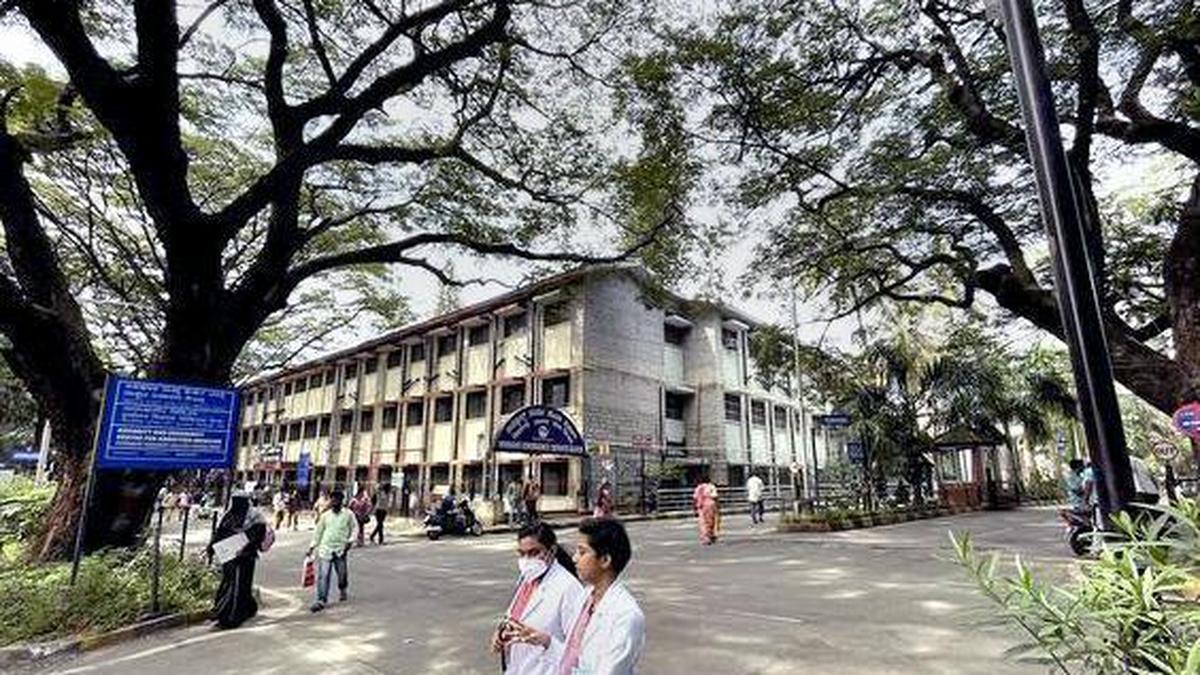
Researchers at the National Institute of Mental Health and Neurosciences (NIMHANS) in Bengaluru have uncovered key dietary and lifestyle factors associated with cerebral venous thrombosis (CVT), a rare form of stroke affecting the brain's venous system.
The study revealed that patients diagnosed with CVT were significantly more likely to have diets lacking in protein and folate, two essential nutrients critical for maintaining cardiovascular health. The research team also documented elevated homocysteine levels and anaemia as common findings among those with the condition, both potentially linked to inadequate nutritional intake.
Alcohol consumption emerged as another prominent risk factor in the patient population studied. The elevated homocysteine levels observed in CVT patients are particularly concerning, as this amino acid metabolite is known to damage blood vessel walls and increase clotting risk.
The findings suggest that targeted dietary improvements and alcohol reduction could play a preventive role in reducing CVT incidence. Experts recommend ensuring adequate intake of protein-rich foods and folate sources, while maintaining healthy alcohol consumption patterns.
CVT, though uncommon compared to arterial strokes, can result in serious complications including seizures, brain swelling, and long-term neurological damage if left untreated. The NIMHANS research adds to growing evidence that modifiable lifestyle factors, particularly nutrition, warrant greater attention in stroke prevention strategies.