World · India Bureau
Poor kharif harvest, delayed sales squeeze farmers' rabi planting funds
Damaged monsoon crops and slow procurement systems are leaving Indian farmers with insufficient capital to purchase seeds and inputs for the upcoming rabi season. Delayed harvesting has compressed the window for sales and fund arrangement, threatening planting timelines.
LSN India ·
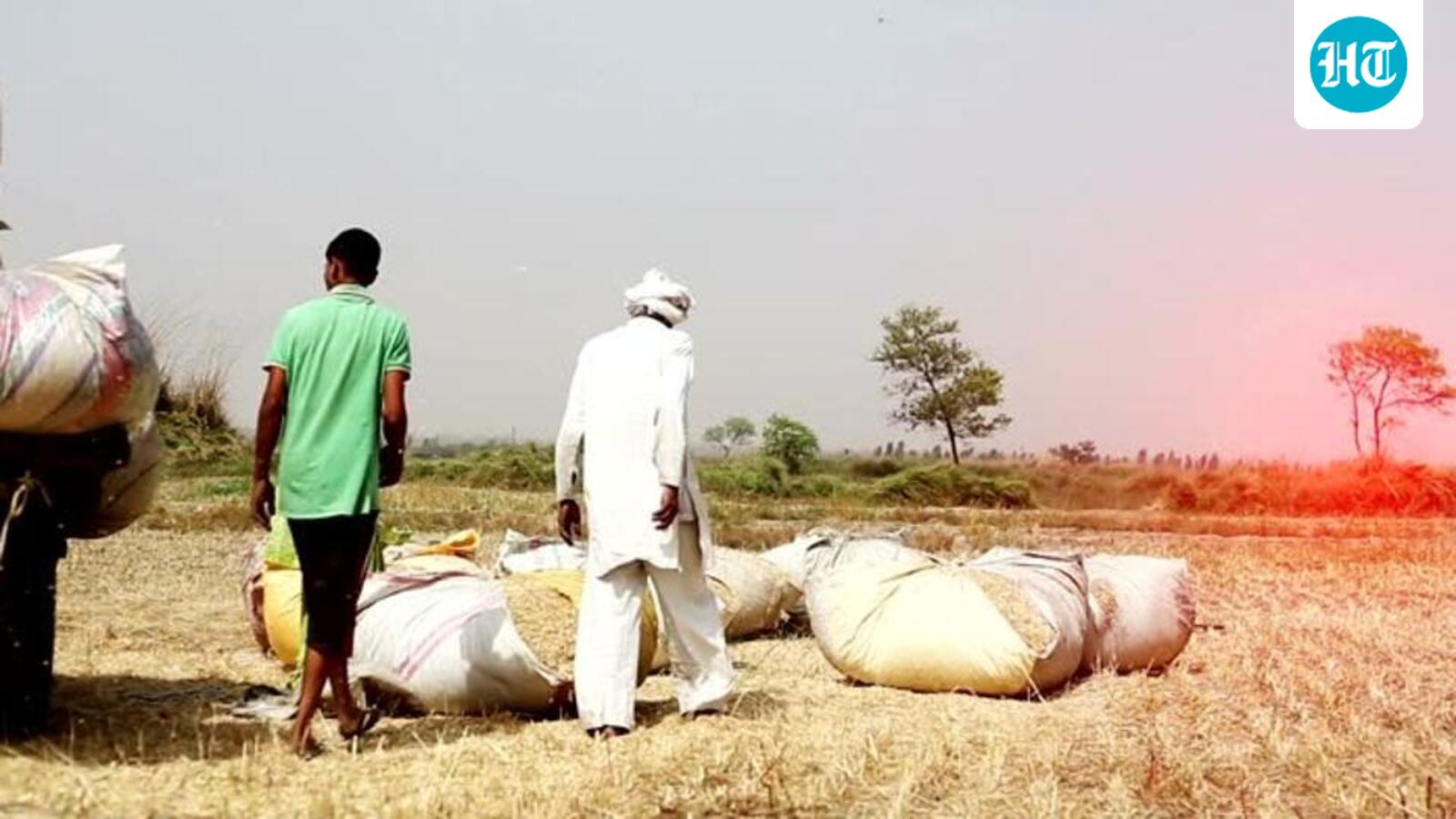
Farmers across India are facing acute financial strain as poor kharif crop performance combined with sluggish procurement processes has depleted their working capital ahead of the rabi season. The dual challenge of crop damage and slow market transactions has created a critical liquidity crunch, with many unable to arrange funds for essential inputs including seeds, fertilizers, and pesticides.
The delayed harvesting cycle has compressed the traditional window available to farmers for selling their produce and converting earnings into cash for rabi investments. This shortened timeframe has forced many cultivators to defer purchases or seek costly credit alternatives, adding further pressure to farm economics already stressed by lower yields.
Procurement delays at government and private collection centers have exacerbated the situation, preventing farmers from liquidating their stocks promptly. The backlog in market arrivals has disrupted the usual commodity flow patterns, leaving farmers unable to clear their holdings in time for the next planting cycle.
Agricultural experts warn that the funding gap could delay rabi sowing across key growing regions, potentially impacting output of crops such as wheat, pulses, and oilseeds. The situation highlights structural challenges in India's agricultural supply chain and the need for improved procurement infrastructure and credit access for farmers facing seasonal cash-flow constraints.