Technology · Malaysia Bureau
Pope emphasises AI systems remain tools, not autonomous persons
The pontiff has stressed that artificial intelligence agents cannot be considered independent entities, with human developers bearing full responsibility for their actions and consequences.
LSN Malaysia ·
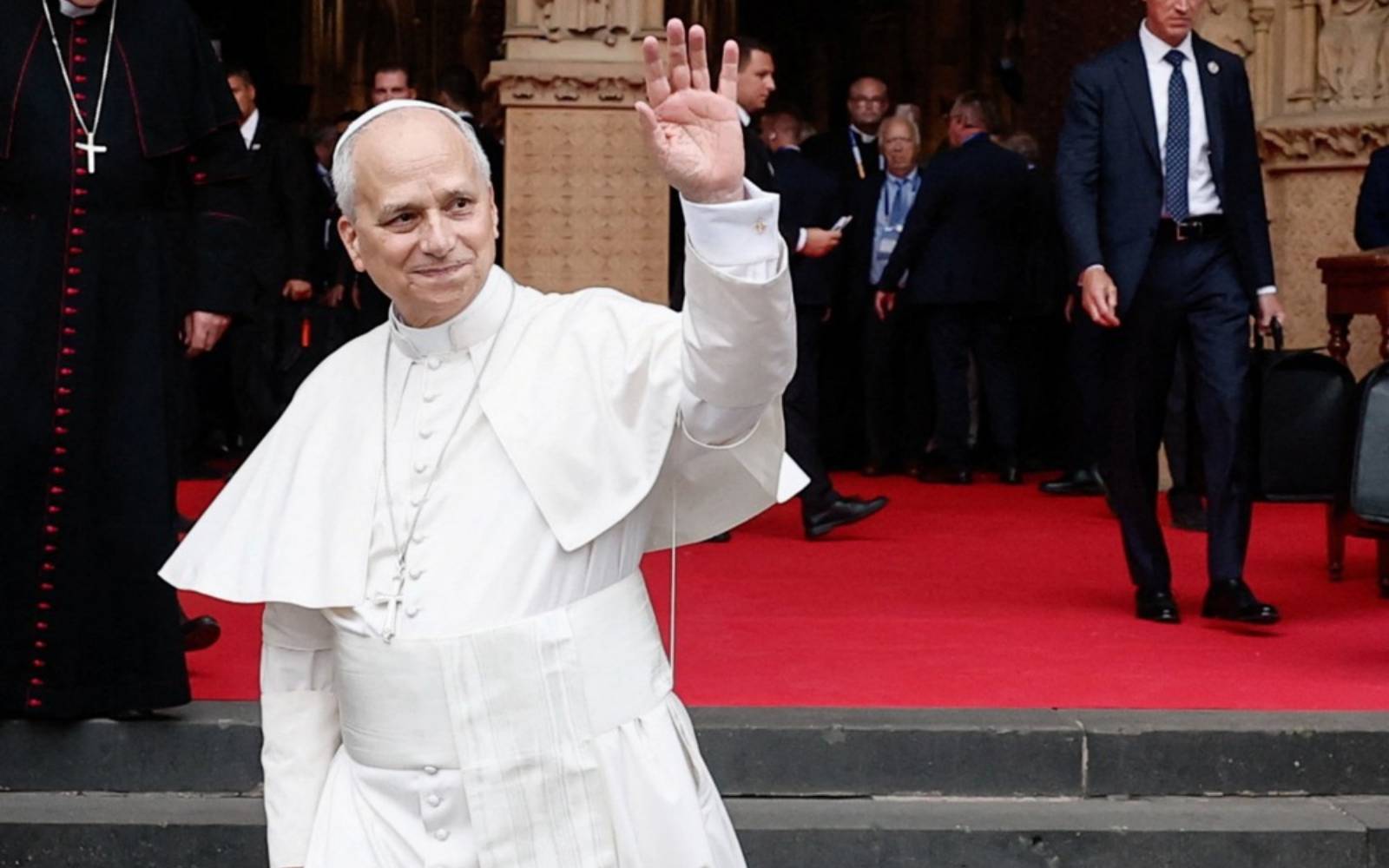
Pope Francis has underscored a critical distinction in the ongoing global debate surrounding artificial intelligence, declaring that AI systems must be understood as instruments created by humans rather than autonomous agents capable of independent moral responsibility.
The Vatican's position reflects growing concerns about the ethical implications of increasingly sophisticated AI technologies. As artificial intelligence becomes more prevalent across industries and society, questions about accountability and responsibility have intensified among policymakers, technologists, and faith leaders worldwide.
According to the pontiff's statement, the onus for ensuring responsible AI deployment rests squarely with the developers, programmers, and organisations that create these systems. This framework establishes clear lines of accountability, preventing the abdication of responsibility through claims that AI systems operate independently.
The papal intervention adds weight to calls from various quarters for robust governance frameworks around artificial intelligence development. Religious leaders, technology experts, and government officials have increasingly advocated for comprehensive oversight mechanisms to ensure AI systems serve human flourishing and adhere to ethical principles.
The Vatican's stance contributes to an emerging international consensus that as AI capabilities advance, human accountability and ethical stewardship must remain paramount in technology development and deployment strategies.