World · India Bureau
Pope's cancer diagnosis marks shift from invincible public image
A Vatican official has described Pope Leo's cancer diagnosis as a significant departure from the pontiff's previously projected image of robust health and resilience. The revelation comes as the Catholic Church navigates questions about succession and the Pope's continued ability to fulfill his duties.
LSN India ·
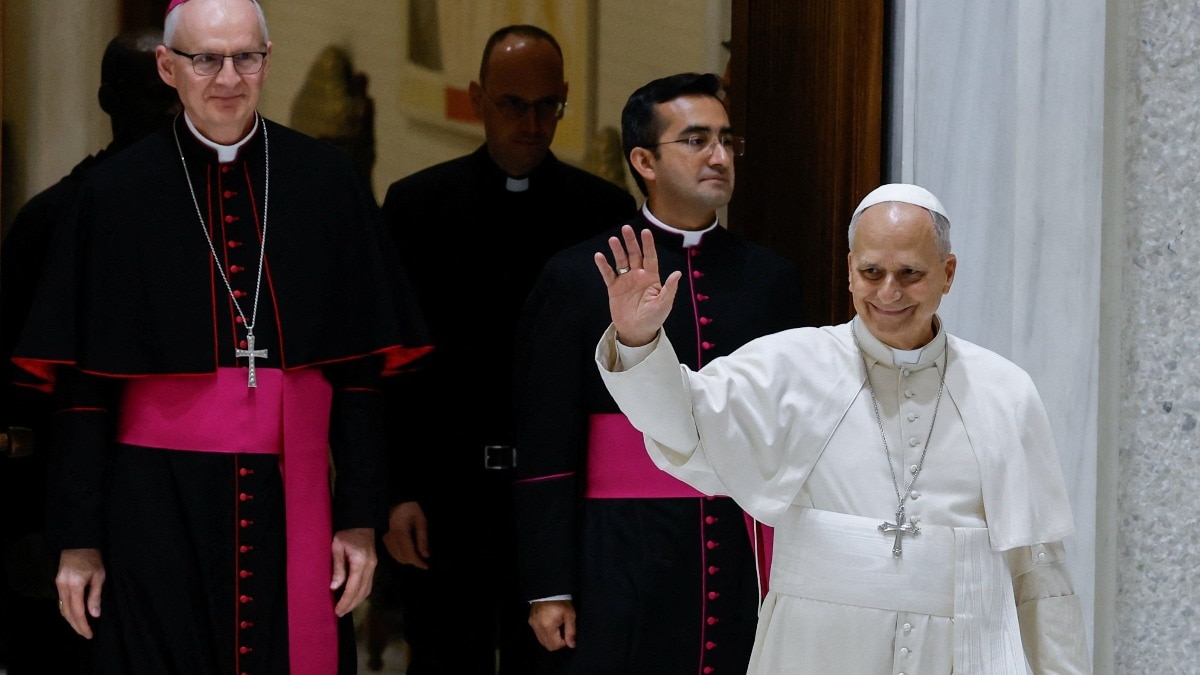
Vatican sources have characterized the Pope's recent cancer diagnosis as a watershed moment for the 266-year-old institution, fundamentally altering the narrative surrounding the pontiff's health and vitality. For years, the Pope had cultivated and maintained a public persona of exceptional physical vigor, often compared by church officials to that of a superhuman figure capable of managing the demanding responsibilities of leading over a billion Catholics worldwide.
The disclosure of the cancer diagnosis represents a marked contrast to this carefully maintained image. Vatican insiders acknowledge that the medical revelation has forced a recalibration of public expectations regarding the Pope's schedule, travel plans, and day-to-day operational capacity. The announcement signals a transition toward greater transparency about the health challenges facing the aging pontiff.
The development has prompted internal discussions within the Vatican about contingency planning and the Church's institutional preparedness for potential leadership transitions. Officials have emphasized that the Pope remains committed to his pastoral duties, though the diagnosis introduces new variables into long-term strategic planning for the Catholic Church's global operations.
The cancer diagnosis underscores broader questions about leadership continuity in the Vatican and has prompted theological and administrative experts to reassess public communications strategies regarding papal health. Church observers note that the revelation represents a departure from historical patterns of papal discretion regarding medical matters, reflecting evolving expectations for institutional transparency in the modern era.