World · India Bureau
Portuguese Island Dims Lights to Protect Migrating Seabird Population
Corvo Island in Portugal has implemented a novel conservation measure by reducing artificial lighting to safeguard thousands of young seabirds during their critical migration period. The initiative addresses the hazards posed by light pollution to vulnerable avian species.
LSN India ·
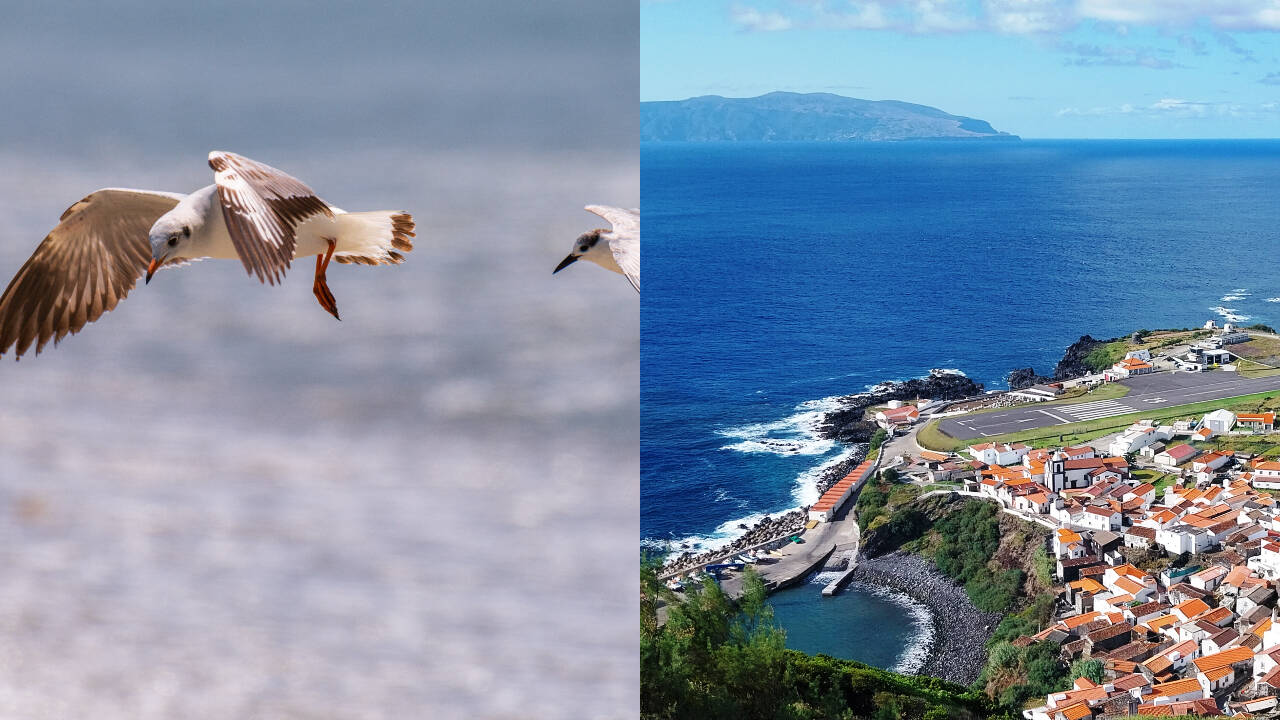
Corvo Island, a small Portuguese territory in the Atlantic, has turned to darkness as a conservation strategy to protect young seabirds navigating their migration routes. The island's residents and authorities have coordinated efforts to minimize artificial lighting during peak migration season, reducing disorientation and collisions that claim thousands of juvenile birds annually.
Light pollution poses a significant threat to nocturnal migrants, particularly fledglings making their first journey across open water. The birds become attracted to or confused by artificial light sources, leading them to collide with structures or exhaust themselves before reaching safer ground. By dimming streetlights and encouraging residents to reduce household lighting, Corvo Island creates darker conditions that allow birds to navigate using natural celestial cues.
The conservation effort reflects growing recognition among island communities of their role in protecting migratory species that traverse thousands of kilometers between breeding and wintering grounds. Such initiatives have gained traction across various regions as evidence mounts regarding the detrimental effects of light pollution on bird populations.
Corvo Island's approach represents a practical model for balancing human settlement with wildlife protection, demonstrating how communities can implement cost-effective measures without significantly disrupting daily life. The initiative underscores the importance of local action in addressing broader environmental challenges affecting globally distributed species.