World · India Bureau
Post-9/11 Cockpit Security Measure Poses New Aviation Safety Risk
A reinforced cockpit door designed to prevent hijackings has inadvertently created a dangerous vulnerability, nearly enabling a catastrophic incident on a flydubai aircraft. The safety feature intended to protect passengers and crew has exposed a critical gap in aviation security protocols.
LSN India ·
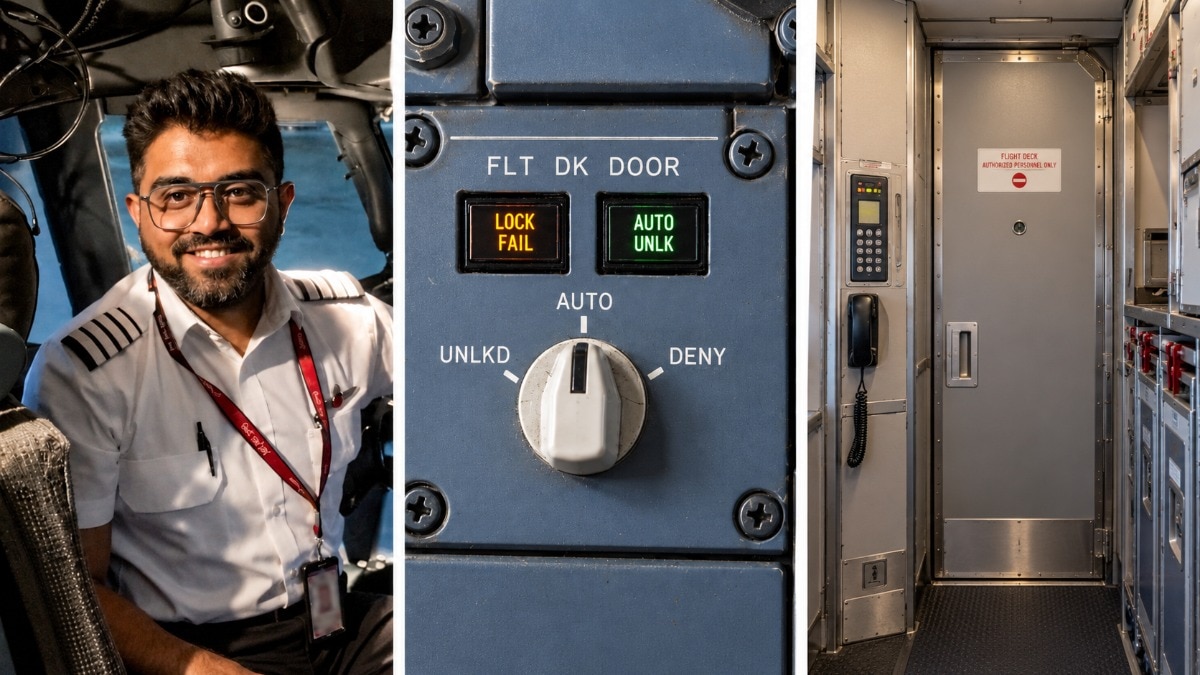
The reinforced cockpit doors mandated globally after the September 11 attacks were engineered with a singular purpose: preventing unauthorized access to aircraft controls. However, recent findings reveal that the very mechanism designed to safeguard aviation has introduced an unexpected operational hazard that airlines and regulators are struggling to address.
A near-miss incident involving flydubai exposed how the security door's design could paradoxically enable dangerous situations rather than prevent them. While the original intent was sound—locking out potential threats from the flight deck—the implementation has created scenarios where the door's robust construction and locking mechanisms could interfere with emergency protocols and crew responses during critical situations.
The incident has reignited debate among aviation safety experts about the delicate balance between security and operational safety. Manufacturers and airlines worldwide are now examining cockpit door designs to identify whether similar vulnerabilities exist across their fleets. Regulatory bodies in multiple countries have begun reviewing whether existing security standards require modification to account for previously unforeseen risks.
The discovery underscores the complexity of aviation safety management, where solutions implemented to address one threat category may inadvertently create new operational challenges. Industry stakeholders are collaborating to develop design modifications that maintain the post-9/11 security framework while eliminating potential safety gaps in emergency situations.