World · Malaysia Bureau
Post-Reform Generation Poses Real Test for PKR, Analysts Say
Political analysts say PKR must build a distinct identity and policy platform that resonates with younger voters to remain relevant. The challenge comes as Malaysia's post-1998 generation increasingly shapes electoral outcomes.
LSN Malaysia ·
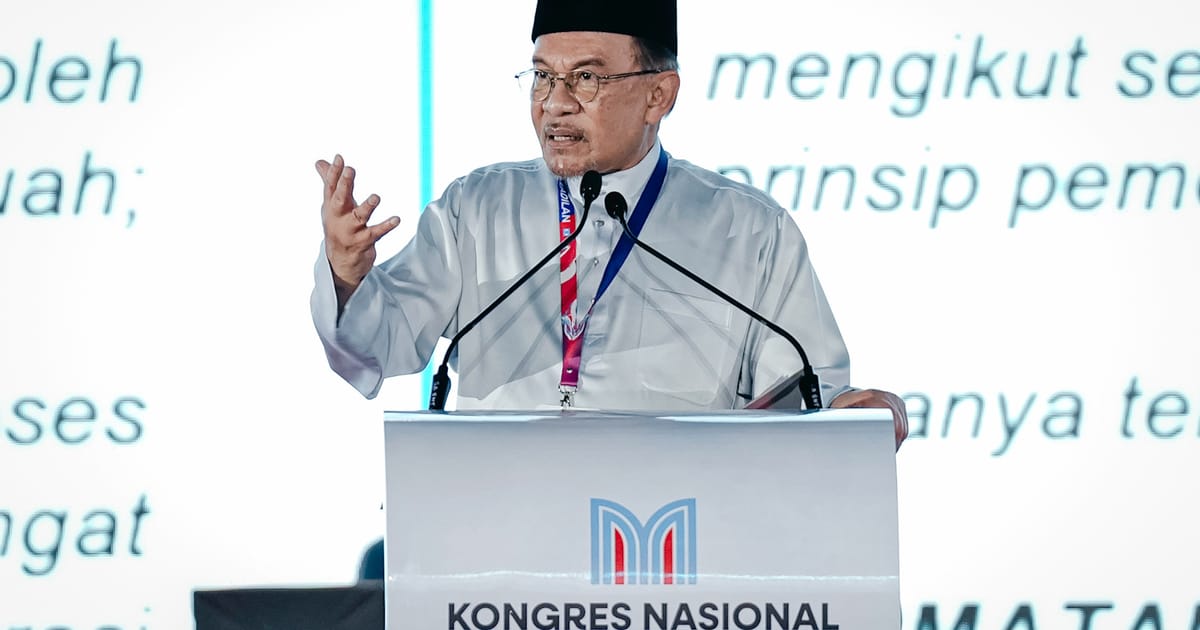
The PKR faces a critical juncture in winning over voters born after the reformasi movement, according to political observers tracking the party's strategic direction. As demographic shifts reshape Malaysia's electorate, the Anwar Ibrahim-led party must develop a compelling narrative that speaks directly to the concerns and aspirations of younger Malaysians.
Analyst Ahmad Zaharuddin Sani Ahmad Sabri noted that the party requires a clearer political identity and policy offerings tailored to youth voters. The post-1998 generation, which came of age after the financial crisis and political upheaval that defined the reformasi era, operates under different worldviews and political priorities than their predecessors.
PKR's ability to bridge this generational divide will largely determine its electoral fortunes in coming years. While the party has built support among older reform-minded voters, analysts warn that capturing and retaining younger demographics demands substantive policy differentiation and authentic engagement with issues that matter most to this cohort.
The challenge reflects broader trends across Malaysian politics, where parties must continuously reinvent their messaging and platform priorities to remain competitive. For PKR, establishing itself as the party of choice for post-reform voters could prove decisive in future elections.