World · Malaysia Bureau
Power struggles persist in Orang Asli village near KL-Karak Highway
Residents of Kampung Sungai Relang face chronic electricity shortages despite their proximity to major infrastructure. The community relies on unreliable solar systems and generators as grid connection remains elusive.
LSN Malaysia ·
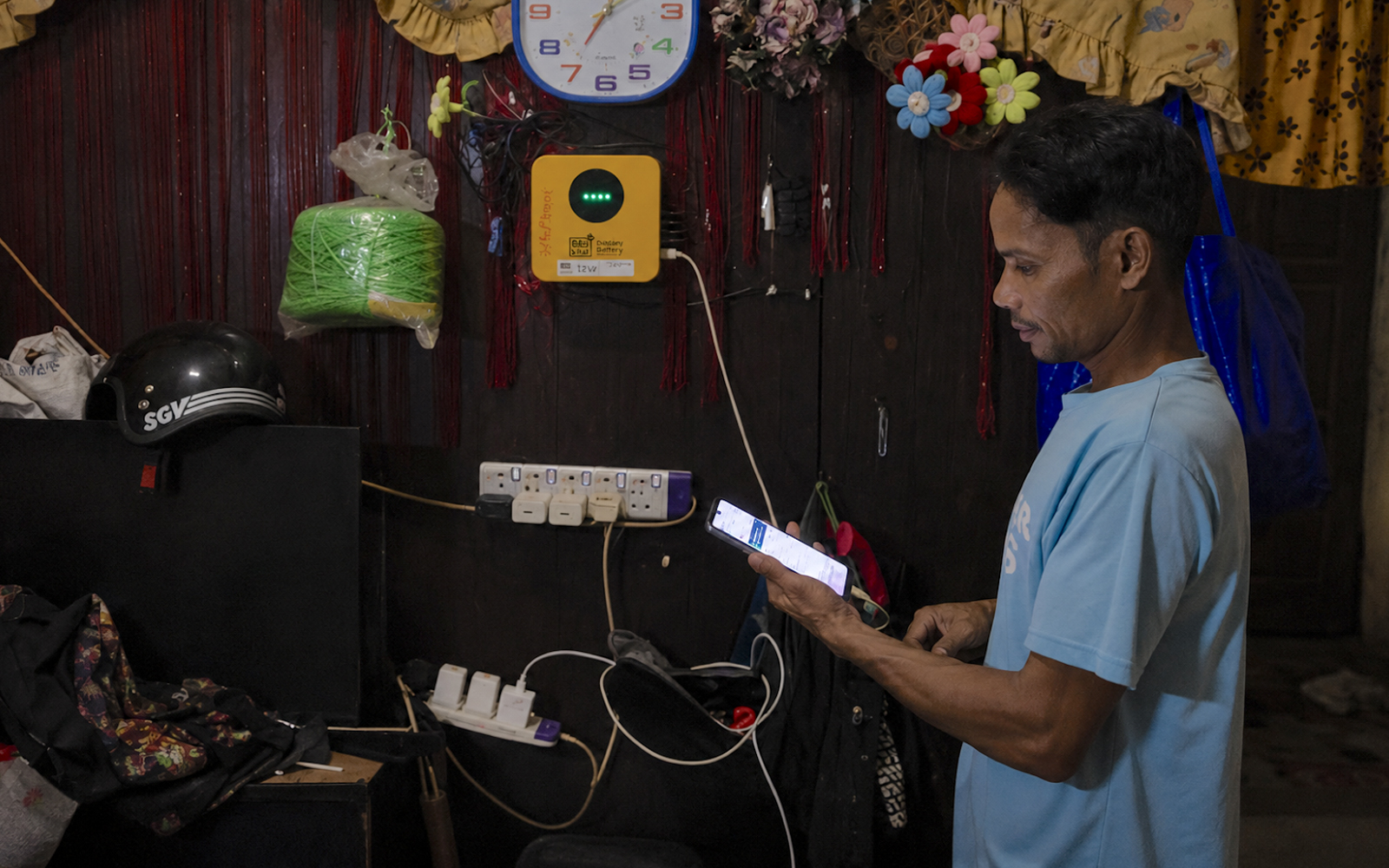
Kampung Sungai Relang, situated just off the KL-Karak Highway, exemplifies the electricity access gap affecting indigenous communities in Malaysia. Despite its location near one of the country's major transport corridors, the Orang Asli village lacks consistent power supply, forcing residents to depend on alternative energy sources that frequently require maintenance and repair.
The community currently relies on a combination of solar lamps and diesel generators to meet basic electricity needs. However, these systems have proven unreliable, with residents reporting repeated instances of equipment failure and extended periods without functional power. Such disruptions significantly impact daily life, affecting everything from household lighting to communications and income-generating activities.
Energy development projects implemented in the village have similarly struggled to deliver sustained results. Multiple initiatives have been launched to improve electrical access, yet infrastructure repeatedly falls into disrepair due to maintenance challenges, resource constraints, and limited technical support. The cycle of project implementation followed by deterioration has left residents frustrated over the lack of permanent solutions.
The situation underscores the broader challenge of providing reliable electricity to remote and indigenous communities across Malaysia. While development has reached areas nearby, marginalized settlements like Kampung Sungai Relang remain outside the formal power grid, highlighting disparities in infrastructure distribution and service delivery to vulnerable populations.