Culture & Entertainment · India Bureau
Powerful El Nino predicted for late 2026, raising climate risks for India
Climate researchers warn that El Nino conditions are expected to intensify significantly through 2026-27, potentially reaching record strength and heightening weather volatility across India. The International Research Institute for Climate and Society has raised the probability of sustained El Nino effects to near-certainty through early 2027.
LSN India ·
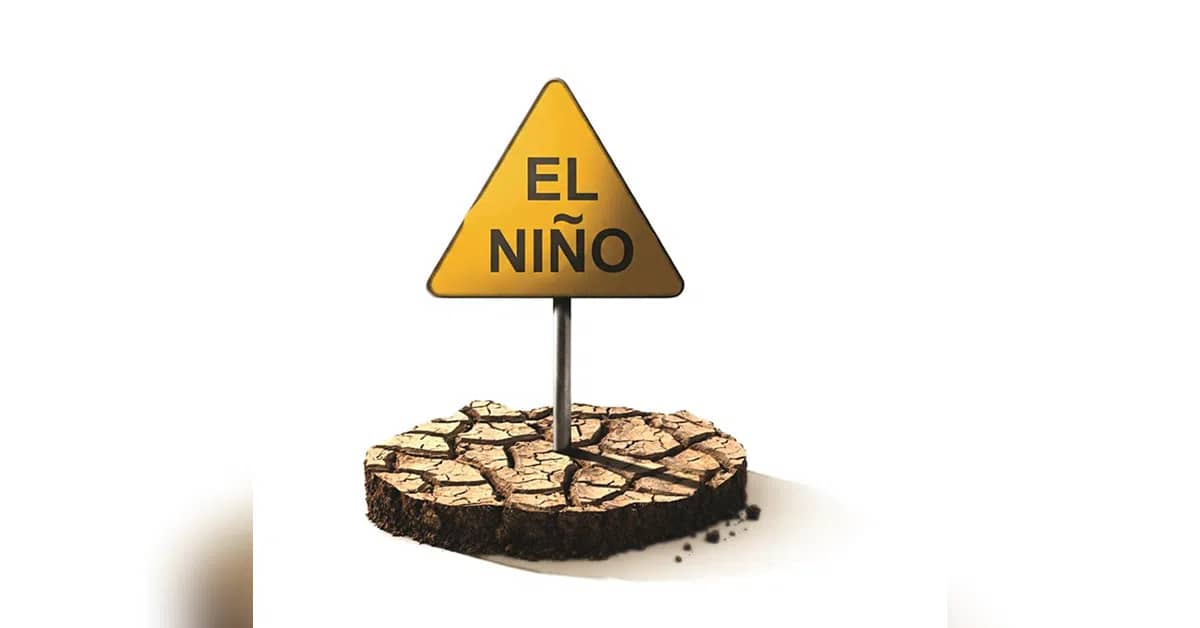
The El Nino weather pattern is on track to become "very strong" by late 2026 and early 2027, according to forecasts released by the International Research Institute for Climate and Society (IRI) at Columbia University. The institute's latest analysis, published on September 21, indicates that Pacific Ocean temperatures measured by the Nino 3.4 index have already reached +3.0 degrees Celsius, well above normal levels.
All 22 climate models surveyed by the IRI—comprising 13 dynamical and nine statistical models—project "very strong" El Nino conditions persisting through the 2026-27 winter season. The probability of El Nino occurring is estimated at 100 per cent through February 2027, declining to 61 per cent by mid-2027. The institute cautioned that the developing event could rank among the strongest El Nino episodes observed in modern records.
Beyond El Nino itself, researchers expect the Indian Ocean Dipole (IOD)—a separate ocean temperature pattern that influences South Asian weather—to turn strongly positive from September through December 2026. While a positive IOD often accompanies El Nino events, the combined effect of both phenomena could amplify climate risks across the region. The IOD is expected to return toward neutral conditions in early 2027.
For India, the convergence of these patterns carries significant implications for monsoon behaviour, temperature extremes, and precipitation patterns. El Nino episodes historically correlate with reduced monsoon rainfall and increased drought risk in parts of India, making the forecast of a "very strong" event particularly consequential for agriculture and water resources across the subcontinent.