Business · Singapore Bureau
Prabowo's haze response exposes leadership gaps as Indonesia marks milestone
Indonesia's president faces mounting scrutiny over his administration's handling of transboundary haze pollution, reflecting broader concerns about governance effectiveness as he approaches two years in office. The crisis has coincided with declining public confidence and economic headwinds.
LSN Singapore ·
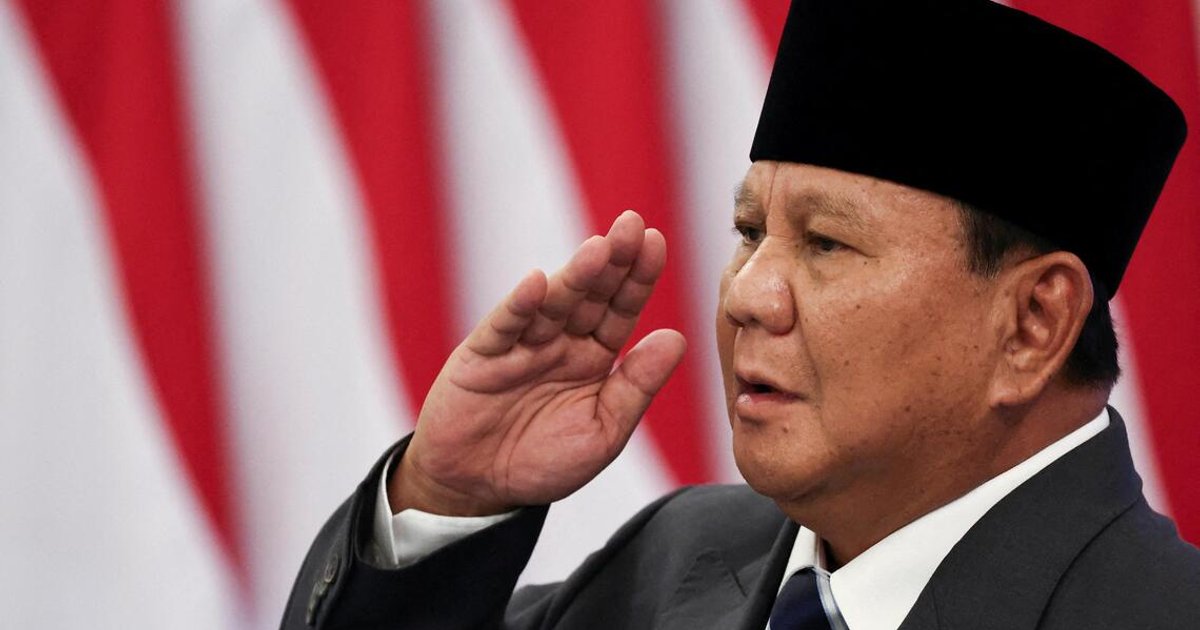
President Prabowo Subianto's response to Indonesia's recurring haze crisis has become a focal point for critics assessing his leadership approach midway through his tenure. The transboundary smoke pollution, which has affected air quality across Southeast Asia including Singapore, has drawn comparisons to previous administrations and raised questions about the government's capacity to manage environmental challenges effectively.
The haze situation has exposed apparent coordination difficulties between federal and regional authorities, with observers noting delays in deploying resources to hotspots and inconsistent messaging about the scale of the problem. Environmental groups have called for more aggressive enforcement against plantation companies and land-clearing operations, pointing to a gap between the administration's stated environmental commitments and operational implementation.
The environmental crisis arrives at a challenging moment for the presidency. Public satisfaction metrics have declined from levels seen at the start of Prabowo's tenure, while economic growth concerns and inflation pressures have eroded confidence in policymaking. The government's handling of the haze—a perennial issue with clear solutions—has become symbolic of broader governance challenges observers say reflect insufficient administrative coordination and slower-than-expected policy execution.
With two years elapsed in his five-year mandate, Prabowo faces mounting pressure to demonstrate improved institutional performance. The haze crisis, while seasonal and cyclical, presents an immediate opportunity to show decisive leadership and strengthen regional cooperation frameworks that have been emphasized as foreign policy priorities.