World · Singapore Bureau
Prabowo's peatland control could strengthen Indonesia's haze fight
Analysts suggest that placing peatland management under direct presidential oversight will give Indonesia's new agency greater authority to coordinate across ministries and enforce environmental rules. The move aims to tackle degradation that regularly triggers transboundary haze affecting the region.
LSN Singapore ·
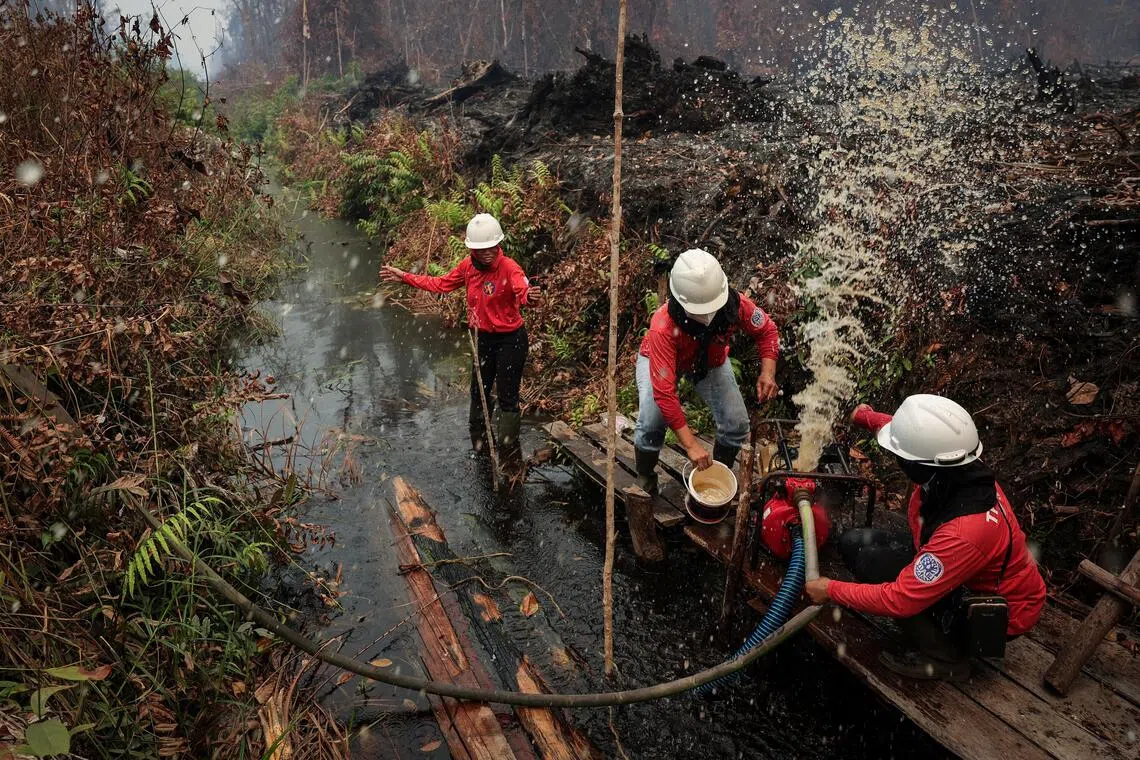
Indonesia's decision to place peatland management under direct presidential control is expected to strengthen efforts to combat the seasonal haze that blankets Southeast Asia, according to analysts monitoring the archipelago's environmental governance.
The new arrangement would consolidate authority over peatland preservation and restoration within a single agency operating under presidential supervision, rather than dispersing responsibilities across multiple ministries. This centralized approach is intended to streamline decision-making and eliminate bureaucratic obstacles that have hindered previous restoration efforts.
Peat degradation remains a critical driver of Indonesia's recurring haze crises. When drained peatlands catch fire—often deliberately set to clear land for agriculture—they release massive quantities of smoke that drift across maritime borders, affecting air quality in Singapore, Malaysia and beyond. The carbon-intensive fires also contribute significantly to the country's greenhouse gas emissions.
Observers suggest that consolidated oversight will enable faster enforcement of environmental regulations and more effective cross-ministerial coordination on restoration projects. Enhanced presidential authority could facilitate land-use decisions and resource allocation that previously required lengthy inter-agency negotiations, potentially accelerating efforts to rewet degraded peatlands and reduce fire risk.
The effectiveness of the new arrangement will largely depend on implementation capacity and sustained political commitment to enforcement against powerful agricultural and industrial interests operating in peatland regions.