World · India Bureau
Prague Zoo achieves rare snake breeding success with rescued specimens
European zoo reports successful breeding of three rare snake species, including offspring from animals recovered from illegal wildlife trafficking networks. The conservation milestone highlights efforts to rebuild populations of endangered reptiles.
LSN India ·
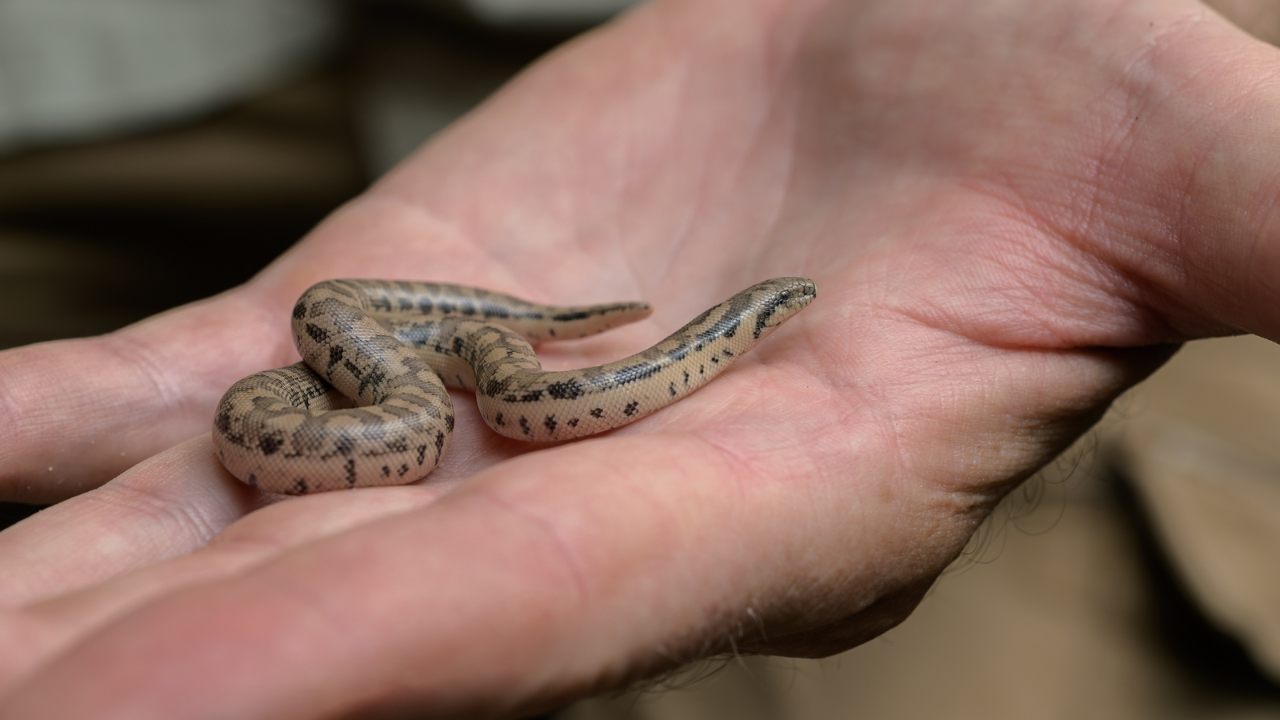
Prague Zoo has announced a significant conservation achievement with the successful breeding of three rare snake species within its facilities. The breeding programme represents an important step in preserving species that face pressure from habitat loss and illegal wildlife trade.
Two of the young groups descending from the newly bred snakes carry particular significance for conservation efforts, as their parent animals were previously confiscated from smugglers. The recovery and subsequent breeding of these trafficked specimens demonstrates the potential for rehabilitation and reintroduction programmes in addressing wildlife crime impacts.
The zoo's success underscores the critical role European institutions play in maintaining genetic diversity of endangered species through coordinated breeding initiatives. Such programmes often serve as insurance populations for species threatened in their native habitats, particularly across South and Southeast Asian regions where many rare reptiles originate.
Conservationists view the Prague Zoo breeding results as encouraging evidence that rescued animals can contribute meaningfully to species preservation. Wildlife experts note that successful captive breeding of confiscated animals can reduce poaching pressure by meeting demand through legitimate channels, though long-term species survival ultimately depends on habitat protection in their native ranges.
The achievement reflects broader international cooperation in wildlife conservation, with zoos across Europe collaborating to manage endangered species populations and combat illegal trafficking networks that threaten biodiversity globally.