Politics · World News Bureau
Presidential Pardon Power Creates Constitutional Shield for Trump Allies
Legal experts warn that the US presidential pardon authority has created a potential loophole allowing prosecutors to defer investigations into figures close to incoming administrations. The constitutional mechanism raises questions about equal application of the law and accountability.
LSN World News ·
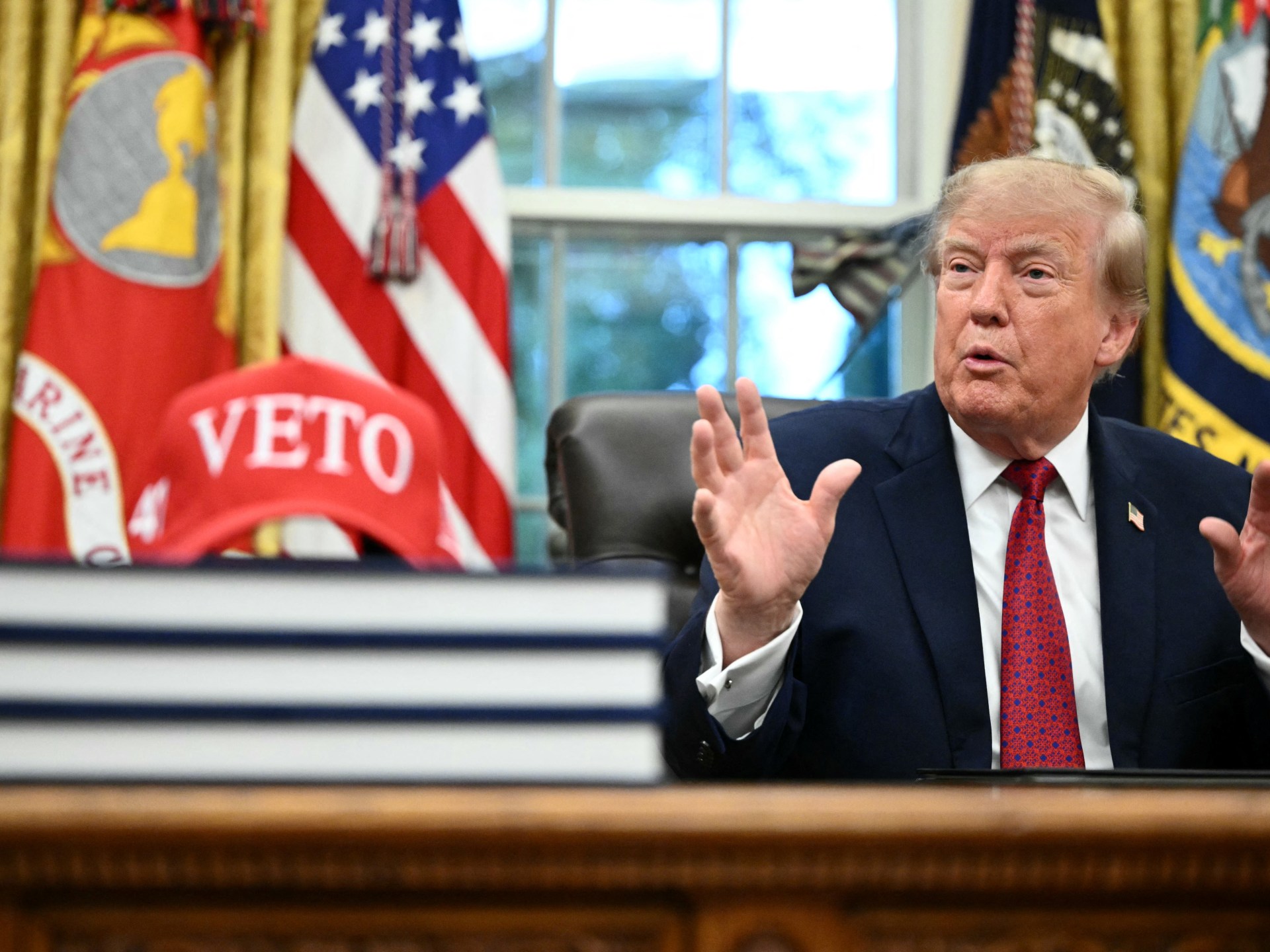
The broad scope of the US presidential pardon power has emerged as a significant constitutional concern, particularly regarding investigations into associates of incoming presidents. Legal analysts note that the ability to grant pardons has created an unusual situation where prosecutors may effectively delay or abandon inquiries into individuals potentially protected by executive clemency.
The pardon authority, granted to the president under the Constitution, contains virtually no restrictions on whom may be pardoned or when such clemency can be applied. This has historically allowed presidents to shield political allies, family members, and associates from prosecution, raising recurring debates about the separation of powers and the rule of law.
Pros and cons of prosecutorial discretion in such cases remain contentious. While some legal scholars argue that deferring investigations represents practical prosecutorial judgment, others contend that such decisions undermine equal protection principles and create two tiers of justice depending on political proximity to sitting executives.
The issue highlights a broader tension in American governance between executive prerogative and judicial independence. Constitutional experts have called for clearer legislative frameworks or judicial precedent to address potential abuses of the pardon power, though reform efforts have historically faced significant political obstacles.