Politics · World News Bureau
Presidential Power Persists Despite Congressional Losses
While losing control of both chambers of Congress traditionally weakens a sitting president, executive authority remains a formidable tool for advancing policy goals. Analysts suggest reports of a 'lame duck' presidency may be overstated.
LSN World News ·
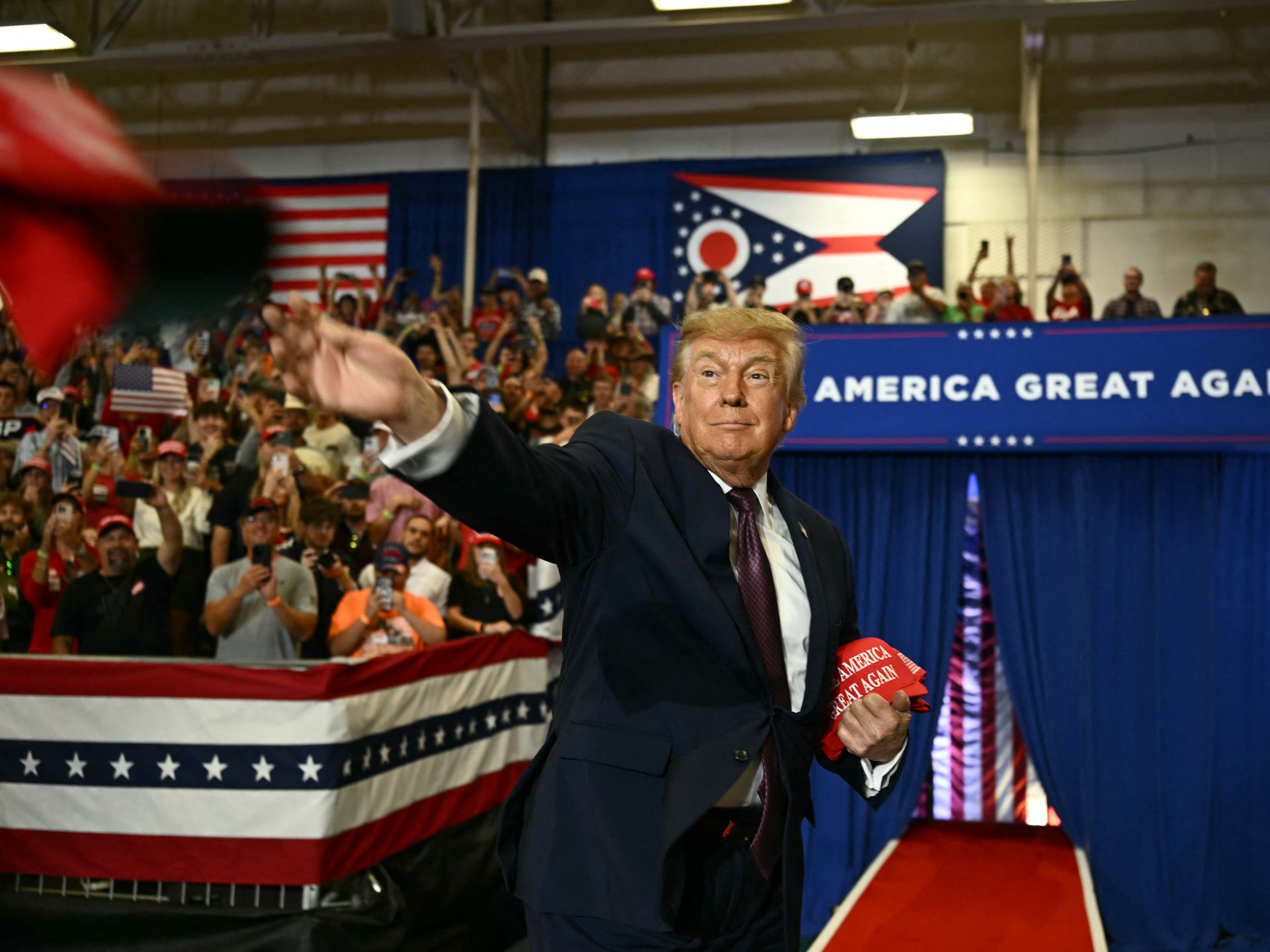
The loss of legislative majorities in Congress typically constrains a president's ability to pass new laws, but executive power remains a substantial instrument for governing. A president can still issue executive orders, direct federal agencies, make judicial appointments, and shape foreign policy without legislative approval—capabilities that extend far beyond the limits of a divided government.
Historical precedent demonstrates that presidents facing opposition majorities have utilized executive action to advance their agendas on regulatory matters, immigration, environmental policy, and international affairs. The degree of effectiveness often depends on the legal durability of such actions and their vulnerability to judicial review or reversal by successor administrations.
While congressional control determines the passage of budgets, major legislation, and treaty ratification, the executive branch commands substantial bureaucratic machinery and constitutional authorities that operate independently of legislative cooperation. Trade policy, military deployments, and administrative regulations can be pursued through executive channels despite congressional opposition.
The characterization of a president as 'lame duck' may therefore underestimate the resilience of executive power. Though legislative gridlock may prevent new laws, the president retains multiple mechanisms to shape policy outcomes and influence the national agenda without congressional support.