Politics · Singapore Bureau
Price controls offer short-term relief but carry long-term economic costs: PM Wong
Singapore's Prime Minister Lawrence Wong has cautioned that while price controls may appear attractive to consumers in the short term, they risk undermining producer incentives and investment over time. Wong's remarks highlight the government's cautious approach to price regulation as a policy tool.
LSN Singapore ·
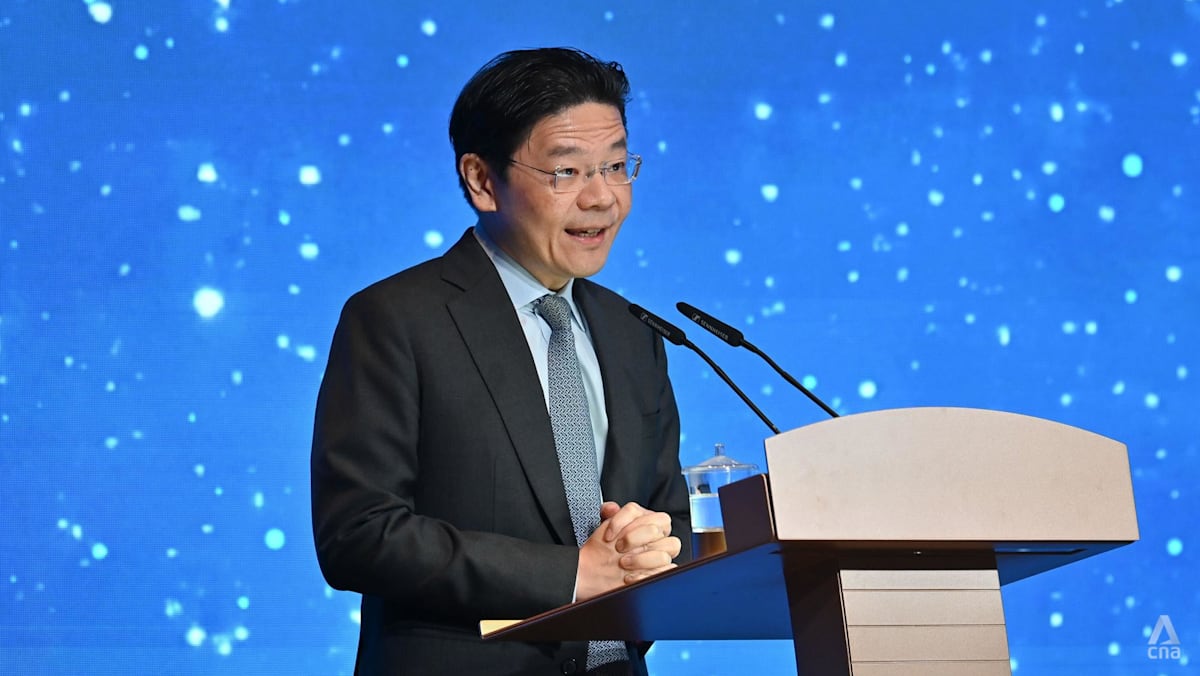
Prime Minister Lawrence Wong has warned that price control measures, despite their immediate appeal to consumers, often generate unintended economic consequences that emerge only after implementation.
While price caps may deliver initial relief at the point of sale, Wong noted that suppliers face reduced incentives to produce goods or undertake new investments when their profit margins are artificially constrained. This dynamic can ultimately lead to supply shortages, reduced product quality, or businesses exiting the market altogether.
The Prime Minister's comments reflect Singapore's broader policy philosophy, which emphasizes market-driven solutions over regulatory intervention in pricing. The government has historically preferred targeted assistance programs and income support measures over blanket price controls, viewing such mechanisms as more efficient and less distortionary to economic activity.
Wong's remarks come as policymakers across the region grapple with cost-of-living pressures affecting households. The cautionary stance underscores the complexity of balancing consumer relief with maintaining healthy supply chains and business viability in Singapore's economy.