Culture & Entertainment · India Bureau
Primates, wild boars drive human-wildlife conflicts in Kerala's Wayanad
A comprehensive three-year scientific study identifies monkeys and wild boars as the primary drivers of human-wildlife conflict across dozens of villages in Wayanad district. The research suggests growing friction between expanding human settlements and wildlife populations in the biodiversity-rich region.
LSN India ·
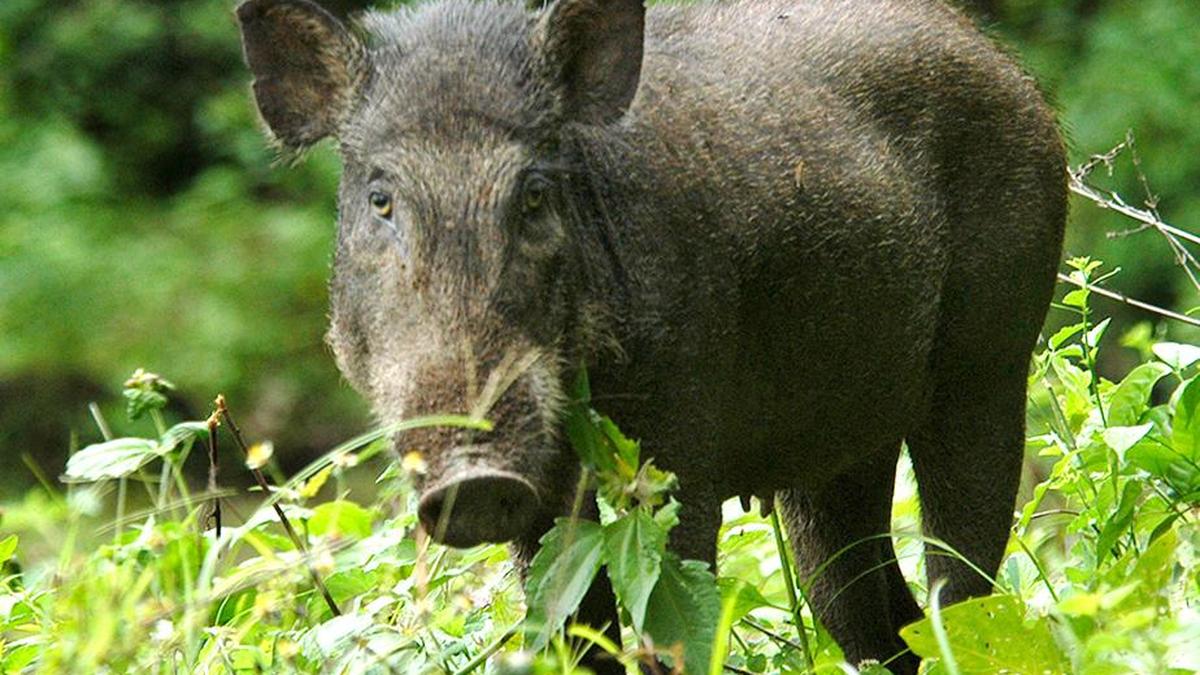
Researchers from Kannur University and the University of Geneva have identified primates and wild boars as the leading sources of human-wildlife conflict in Kerala's Wayanad district, according to findings from an extensive field investigation spanning three years.
The joint study, which examined interactions across 49 villages, found that monkeys account for the highest proportion of reported conflicts, with wild boars emerging as the second major source of friction between residents and wildlife. The findings underscore the escalating challenges faced by communities living in proximity to forested areas as agricultural expansion and human settlement encroachment intensify across the region.
Wayanad, located in the Western Ghats biodiversity hotspot, has long served as crucial habitat for diverse wildlife species. However, the district has witnessed rapid demographic growth and agricultural development in recent decades, creating overlapping zones where human activities and animal habitats increasingly intersect.
The study's systematic documentation of conflict patterns across multiple villages provides evidence-based insights into the nature and scale of human-wildlife interactions in the region. Such data is considered essential for designing targeted conservation strategies and implementing effective conflict mitigation measures that balance the needs of both wildlife populations and local communities.