Politics · India Bureau
Private power licence sparks regulatory showdown in Haryana
A quarter-century distribution contract awarded to Eleven Power has deepened divisions between Haryana's electricity regulator and state government, raising questions about parallel supply networks and the viability of state-run power utilities.
LSN India ·
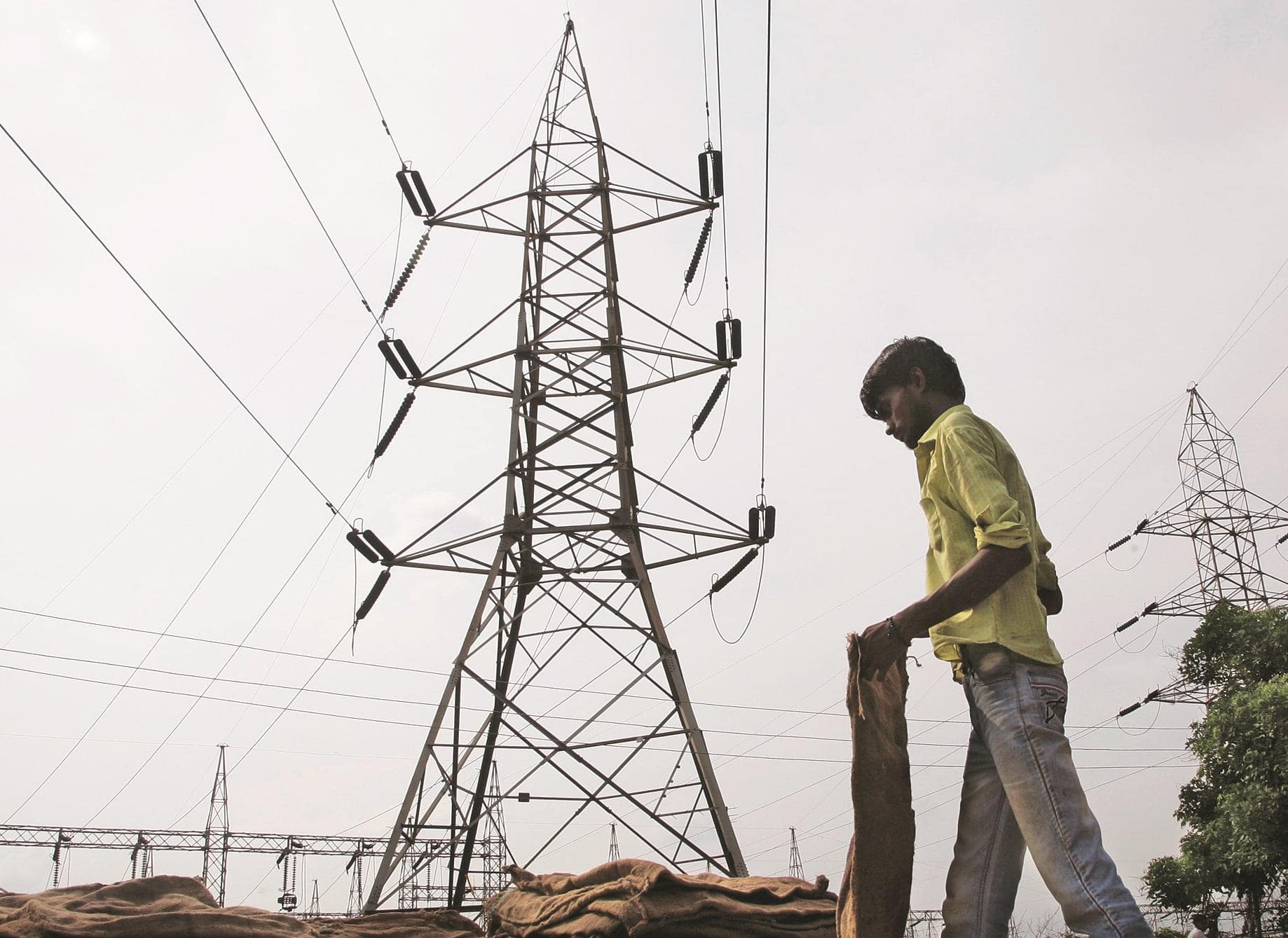
Haryana's power sector is facing mounting tensions following the grant of a 25-year distribution licence to private operator Eleven Power, creating a structural conflict that has pitted the state's regulatory authority against government priorities. The arrangement for parallel power distribution has triggered concerns about operational fragmentation and the financial sustainability of the state-run distribution companies that currently serve the bulk of consumers across the region.
The licensing decision has exposed fundamental disagreements over how the state's electricity infrastructure should be organized and managed. Regulatory bodies have expressed apprehension that fragmenting the distribution network among multiple operators could undermine the financial position of existing state discoms, which already grapple with revenue collection challenges and subsidy burdens across rural and urban areas.
The broader implications extend beyond administrative jurisdiction. Industry observers note that dividing electricity distribution responsibility raises questions about service continuity, consumer protection standards, and the cross-subsidization model that has traditionally allowed utilities to serve economically weaker sections. The standoff reflects a wider tension between liberalization aspirations and the fiscal realities of managing power utilities in a state with significant agricultural demand.
As stakeholders await resolution, the dispute underscores the complexities inherent in reforming India's power distribution landscape, where regulatory independence must be balanced against government policy objectives and the operational demands of serving a diverse consumer base across multiple sectors and geographies.