World · Malaysia Bureau
Private sector push seen as key to bridging EV charging infrastructure gap
Industry experts say private-sector initiatives can accelerate the development of electric vehicle charging networks across the region. However, specialists warn that reliability, strategic location, and user accessibility are equally critical as the raw number of charging stations.
LSN Malaysia ·
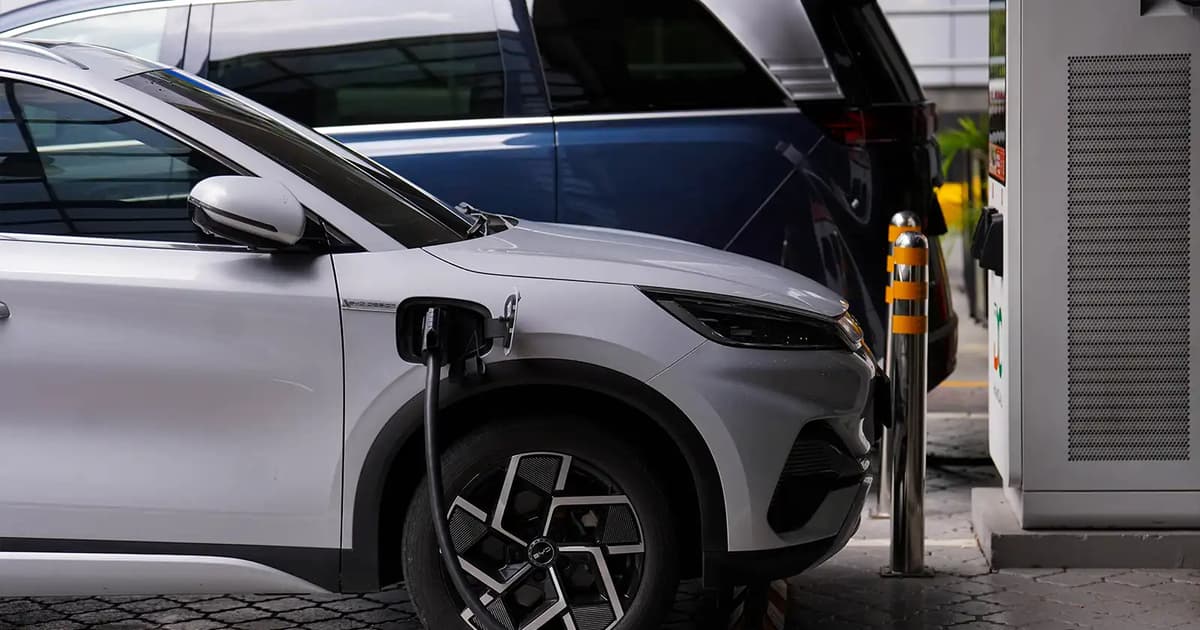
The rapid adoption of electric vehicles in Southeast Asia has outpaced the expansion of supporting charging infrastructure, creating a significant gap that threatens to slow EV uptake. Industry analysts now point to private-sector involvement as a potential solution to bridge this divide, with new initiatives demonstrating how commercial operators can complement public charging networks.
While increasing the quantity of charging stations remains important, experts emphasise that quality factors carry equal weight in determining the effectiveness of EV infrastructure. Reliability of equipment, optimal placement of chargers along key routes and in urban centres, and ease of access for diverse user groups must be prioritised alongside expansion efforts.
Private companies entering the charging market bring operational expertise, capital investment, and innovative technology platforms that can accelerate deployment across underserved areas. These initiatives can help distribute the infrastructure burden beyond government agencies, which typically face budgetary and logistical constraints.
Regional experts note that successful charging networks require coordinated planning between public authorities and private operators. Standards for payment systems, maintenance protocols, and coverage areas need to be established to ensure seamless user experience and long-term sustainability of the infrastructure.
As EV adoption continues to accelerate across Malaysia and neighbouring markets, stakeholders stress that a balanced approach combining public infrastructure with private-sector innovation offers the most viable pathway to closing the charging gap.