Politics · World News Bureau
Progressive Democrats face structural hurdles in pushing ambitious policy agenda
Progressive Democrats entering the new Congress face significant institutional barriers to advancing their policy agenda, particularly on controversial international matters where White House and party establishment positions diverge from the left wing's priorities.
LSN World News ·
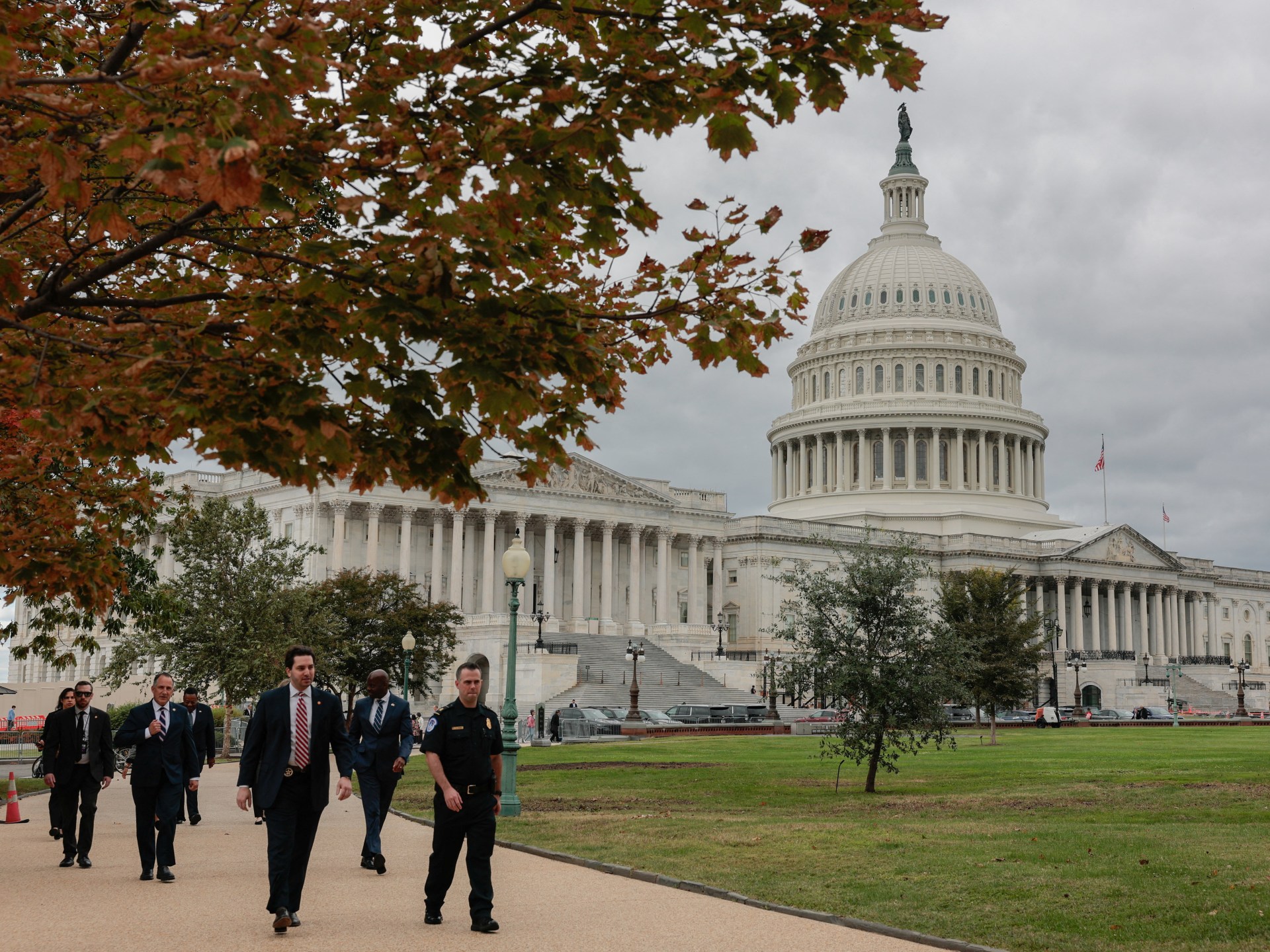
Progressive members of Congress are poised to encounter substantial institutional resistance as they seek to advance their policy agenda, particularly on divisive international matters where party leadership and executive branch priorities diverge from the left wing's positions.
Historically contentious issues such as the Israeli-Palestinian conflict represent flashpoints where progressive lawmakers have struggled to move party consensus. Efforts to reshape American foreign policy positions on such matters face formidable headwinds from both the White House and Democratic establishment figures who maintain different strategic priorities and diplomatic considerations.
The structural dynamics of party politics continue to limit the scope of transformative change on key international questions. Leadership within both the executive branch and congressional Democratic ranks exercises considerable influence over legislative direction, creating institutional constraints that progressives must navigate when advancing alternative foreign policy frameworks.
Experts observe that while progressive voices have grown more prominent within Democratic ranks, translating rhetorical commitments into substantive policy modifications remains a persistent challenge. The interaction between executive authority, party discipline, and competing Democratic constituencies suggests that major repositioning on controversial international issues will remain incremental rather than transformative during the coming legislative session.