Politics · India Bureau
Prohibition fails to curb alcohol abuse, Supreme Court observes
India's top court has questioned the effectiveness of blanket alcohol bans, noting that complete prohibition drives the liquor trade underground and increases consumption of dangerous, unregulated brews. The observation comes amid ongoing debates over alcohol policy in states like Gujarat.
LSN India ·
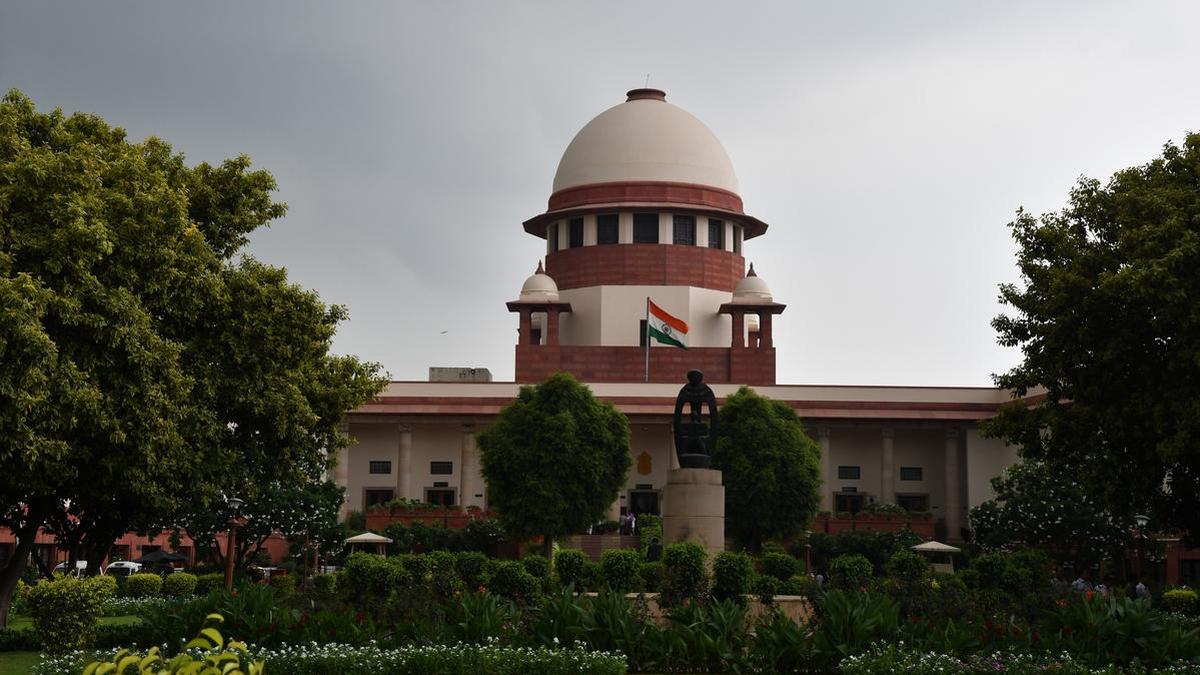
The Supreme Court has cast doubt on the efficacy of total alcohol prohibition as a public health measure, remarking that outright bans on liquor fail to eliminate alcoholism or reduce related tragedies.
In its assessment, the court noted that blanket restrictions on alcohol merely push the trade into unregulated channels rather than curbing consumption. This underground market for illicit spirits has historically led to increased circulation of dangerous, adulterated brews that pose serious health risks to consumers.
The observation reflects a longstanding tension in India's approach to alcohol regulation. While some states maintain strict prohibition policies, citing public health and social concerns, evidence suggests such measures often fail to achieve their intended outcomes. Instead, prohibition frequently creates conditions for the proliferation of illegally manufactured alcohol, which lacks safety standards and quality controls.
The court's remarks underscore growing recognition among policymakers and legal experts that alcohol regulation requires nuanced approaches beyond outright bans. The challenge of balancing public health objectives with practical enforcement realities continues to shape alcohol policy discussions across Indian states.