Business · Singapore Bureau
Property owners face challenges collecting rent from shell company tenants
Legal experts warn homeowners that recovering unpaid rent becomes significantly more difficult when tenants operate through shell companies with minimal assets. Property owners are advised to implement stronger vetting procedures before entering into rental agreements.
LSN Singapore ·
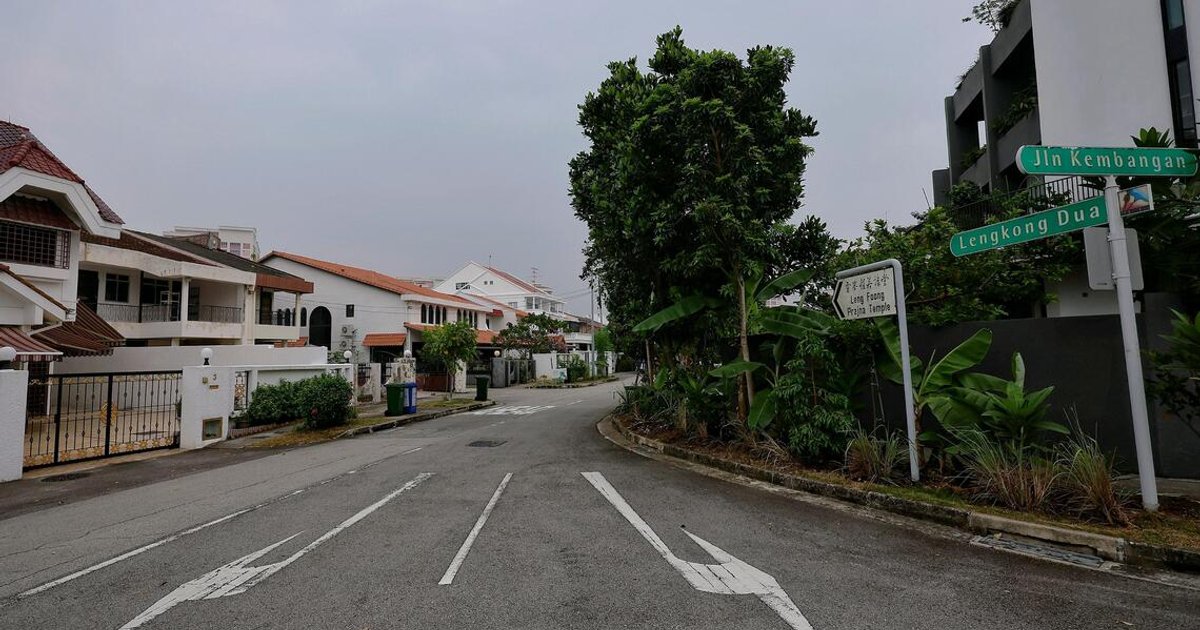
Homeowners renting out properties in Singapore face mounting difficulties when tenants use shell companies as intermediaries, with debt recovery becoming a complex and often fruitless endeavor. When a shell company defaults on rental payments, landlords attempting to enforce court judgments encounter a fundamental obstacle: the company typically holds no meaningful assets against which legal remedies can be applied.
This arrangement creates a structural vulnerability for property owners, as pursuing judgment against an entity with no substantive business operations or assets offers little practical recourse. Even after successfully obtaining a court order, landlords may find themselves unable to recover outstanding rental arrears, leaving them financially exposed.
Property owners are increasingly advised to strengthen their tenant screening and verification procedures before executing rental agreements. Effective protective measures include conducting thorough background checks on tenants, requesting personal guarantees from company directors or shareholders, and verifying the legitimacy and financial standing of any corporate entities seeking to lease residential or commercial properties.
Legal professionals recommend that landlords seek professional advice when negotiating terms with corporate tenants, ensuring rental agreements include provisions that adequately protect their interests. Additionally, maintaining updated records of all transactions and communications with tenants can strengthen any subsequent legal action, should disputes arise.