World · Sri Lanka Bureau
Protest Movements in Europe and Sri Lanka Draw Contrasts
Street demonstrations have erupted across Europe and South Asia, with recent unrest in Paris escalating into riots while Sri Lanka experiences competing monk-led protests. The contrasting nature of these movements reflects broader regional and political differences.
LSN Sri Lanka ·
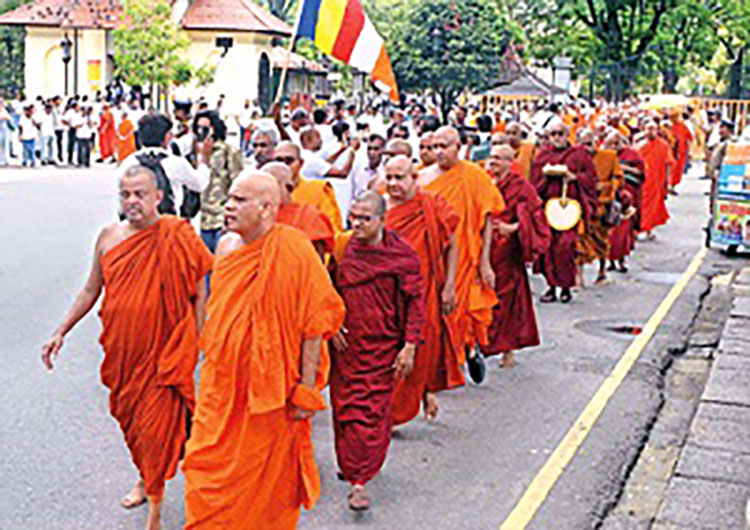
Demonstrations have intensified across multiple continents in recent weeks, drawing comparisons with the iconic protest movements of 1968 while highlighting distinctly modern political tensions. In Paris, what began as organized protest activities descended into rioting, underscoring the volatile nature of street politics in contemporary Europe. The escalation reflects deep-seated grievances among French citizens over economic and social policy concerns.
Meanwhile, Sri Lanka has witnessed its own distinctive protest dynamics, centered on religious and political activism. Competing demonstrations led by Buddhist monks have taken center stage in Colombo, reflecting the island nation's particular religious and cultural dimensions in political discourse. These monk-led movements have mobilized supporters while simultaneously triggering counter-protests, illustrating the polarized nature of current Sri Lankan politics.
Observers note significant differences between the European and South Asian protest movements. While Paris demonstrations reflect broader socioeconomic anxieties common across developed nations, Sri Lankan protests draw on religious institutional authority and community mobilization patterns unique to the region. Both contexts reveal how protest movements adapt to local political cultures and grievance structures.
The comparative analysis of these protest waves offers insights into contemporary democratic participation and political contestation across different regions. The ability of demonstrations to rapidly shift into confrontational situations—whether in Paris streets or Colombo neighborhoods—suggests underlying tensions remain unresolved in both contexts, demanding sustained political attention and dialogue.