Politics · India Bureau
Protests vital feedback mechanism for government accountability: Wangchuk
Climate activist and educationist Sonam Wangchuk has advocated for protests as essential tools for improving governance, citing international examples and cautioning against restrictions that could lead to institutional breakdown.
LSN India ·
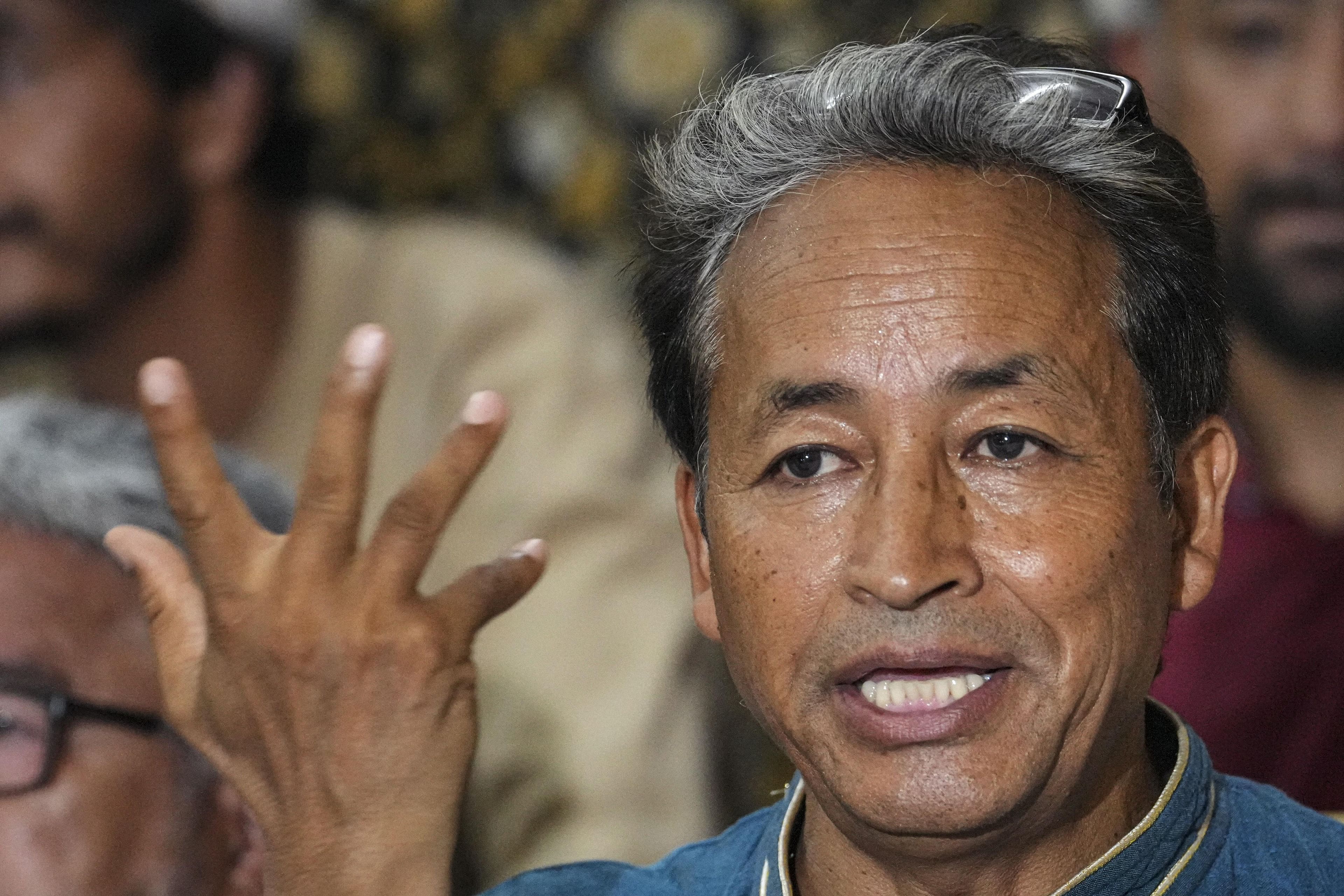
Speaking at the IPF Festival, Wangchuk underscored the importance of public demonstrations as a mechanism through which governments receive critical feedback on their performance. He pointed to recent upheavals in Sri Lanka and Bangladesh as cautionary examples of what can occur when governments suppress dissent and prevent citizens from voicing grievances.
Wangchuk highlighted that democratic nations worldwide routinely permit protests in prominent locations, including directly in front of legislative buildings. He cited the United Kingdom, Norway, and Sweden as examples where such demonstrations are commonplace and protected. "In all these countries, the front of parliament is the face of protest," he noted during his remarks.
Comparing India's protest landscape to international standards, Wangchuk expressed concern about the distance between protest sites and centers of power. He observed that even when demonstrations were held at Jantar Mantar in New Delhi, the venue remained geographically removed from Parliament, limiting the direct visibility of citizen grievances to elected representatives.
"Protests are a great mechanism, a feedback mechanism, a pressure valve for governments to perform better," Wangchuk asserted. His comments come against a backdrop of ongoing discussions about the space available for public dissent and democratic expression in India.