World · India Bureau
Public authorities failing to voluntarily disclose information under RTI Act
Despite legal requirements under Section 4 of the Right to Information Act, government bodies across India are not proactively publishing the 16 categories of information they are mandated to make publicly available. The gap between legislative intent and ground-level implementation continues to undermine transparency.
LSN India ·
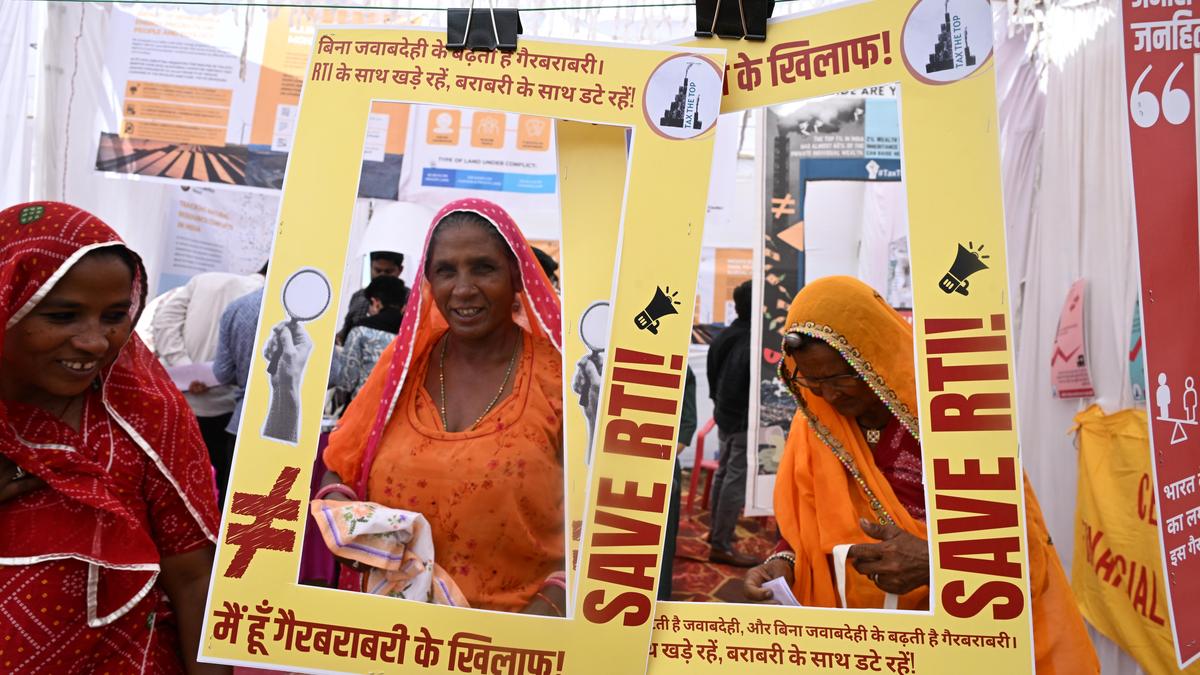
The Right to Information Act, 2005, established a framework requiring public authorities to voluntarily disclose key categories of information to promote transparency and accountability in governance. Section 4 of the legislation specifically mandates the disclosure of 16 distinct types of information, ranging from the organization and functions of public bodies to details about their decision-making processes and budget allocations.
However, a significant implementation gap persists across India's administrative apparatus. Public authorities have largely failed to embrace the voluntary disclosure provisions, with many institutions continuing to adopt a reactive posture—releasing information only when citizens file formal RTI requests. This approach contradicts the spirit of the legislation, which envisioned proactive transparency as a cornerstone of good governance.
The 16 categories mandated for voluntary disclosure include organizational structures, functions and duties, decision-making processes, norms and rules, budget information, and records relating to public services. Experts attribute the implementation failure to inadequate awareness among officials, insufficient resource allocation for digitalization, and weak enforcement mechanisms at the institutional level.
The gap between statutory obligation and practical compliance has implications for citizens' access to government information and the functioning of democratic accountability mechanisms. Strengthening compliance monitoring and building institutional capacity for proactive disclosure remain key challenges for regulators and policy advocates working to realize the Act's transparency objectives.