World · Sri Lanka Bureau
Public figures debate historical accountability and lessons from Black July
A prominent exchange has emerged between public intellectuals over how Sri Lanka should address and learn from significant historical events. The debate raises questions about historical truth-telling and democratic accountability in national discourse.
LSN Sri Lanka ·
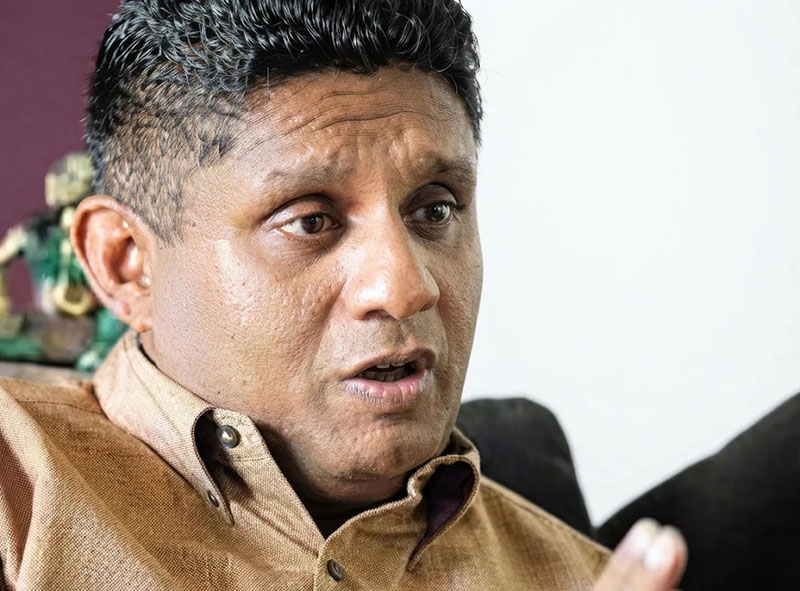
A substantive public discussion has developed regarding how Sri Lanka should approach historical narratives and their role in democratic society. The exchange, involving civil society figures and academics, centres on the interpretation of pivotal events in the nation's recent past and the broader implications for institutional accountability.
The discussion reflects ongoing tensions within Sri Lankan society about how to process contested historical episodes. Participants have raised concerns about the completeness of public understanding and the need for comprehensive examination of complex events that have shaped the country's trajectory.
Those engaged in the debate have emphasised the importance of establishing factual records while considering multiple perspectives. The exchange suggests a need for structured national dialogue on how historical events are understood, documented, and integrated into civic consciousness.
The broader significance of this public discourse extends to questions about how democracies address contested histories and build institutional mechanisms for accountability. Observers note that such debates, while sometimes contentious, reflect the functioning of democratic space for examining national experiences.
The discussion underscores ongoing efforts by civil society actors to influence how Sri Lanka approaches historical reckoning and the integration of past events into contemporary governance and public policy frameworks.