Business · India Bureau
Public intellectuals gain urgency as India navigates democratic challenges
As authoritarian tendencies strengthen and dissent faces criminalisation, public intellectuals play an increasingly vital role in questioning India's social, political and economic trajectory through reasoned debate.
LSN India ·
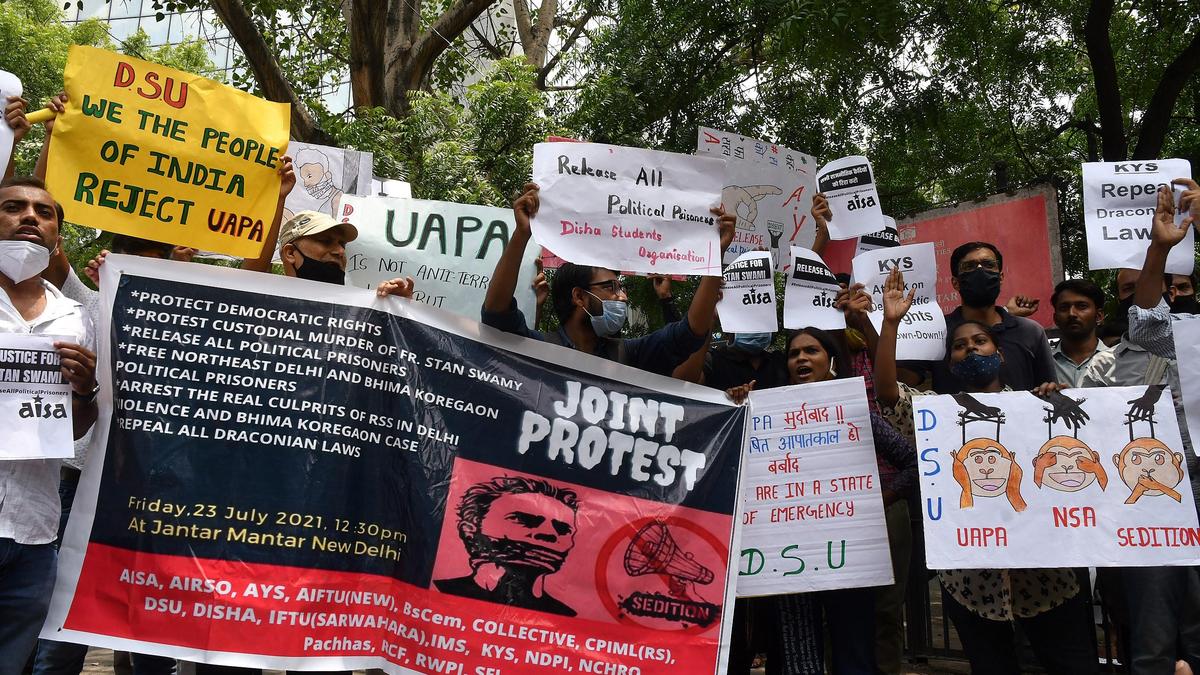
India's public intellectuals have emerged as critical voices in an era marked by growing institutional pressures and restrictions on free expression. These scholars, analysts and commentators serve a fundamental democratic function by scrutinising government policies, societal structures and economic systems through evidence-based arguments accessible to the broader public.
The traditional role of public intellectuals—to interrogate prevailing narratives and advance informed discourse on matters of national importance—has become more consequential amid shifting political dynamics. Observers note that independent voices examining policy decisions, institutional independence and rights protections provide essential counterweights to concentrated power structures.
The landscape for public discourse has shifted considerably, with concerns raised about restrictions on academic freedom, increased legal pressures on critical voices and barriers to open debate. In this context, intellectuals willing to engage substantively with contentious issues serve as custodians of democratic conversation, articulating alternatives to dominant frameworks and challenging assumptions across the political spectrum.
The presence of articulate, evidence-based criticism from respected public figures helps sustain democratic health by maintaining space for dissenting viewpoints. As India confronts questions about institutional autonomy, constitutional values and the boundaries of acceptable dissent, the contributions of public intellectuals—grounded in rigorous analysis rather than partisan rhetoric—remain indispensable to informed citizenship and democratic accountability.