World · World News Bureau
Punjab allows covert terrorism trials, raising judicial transparency concerns
Pakistan's Punjab province has authorized secret court proceedings in terrorism cases where judges, prosecutors and witnesses remain anonymous. Rights advocates warn the measure could enable abuse without accountability.
LSN World News ·
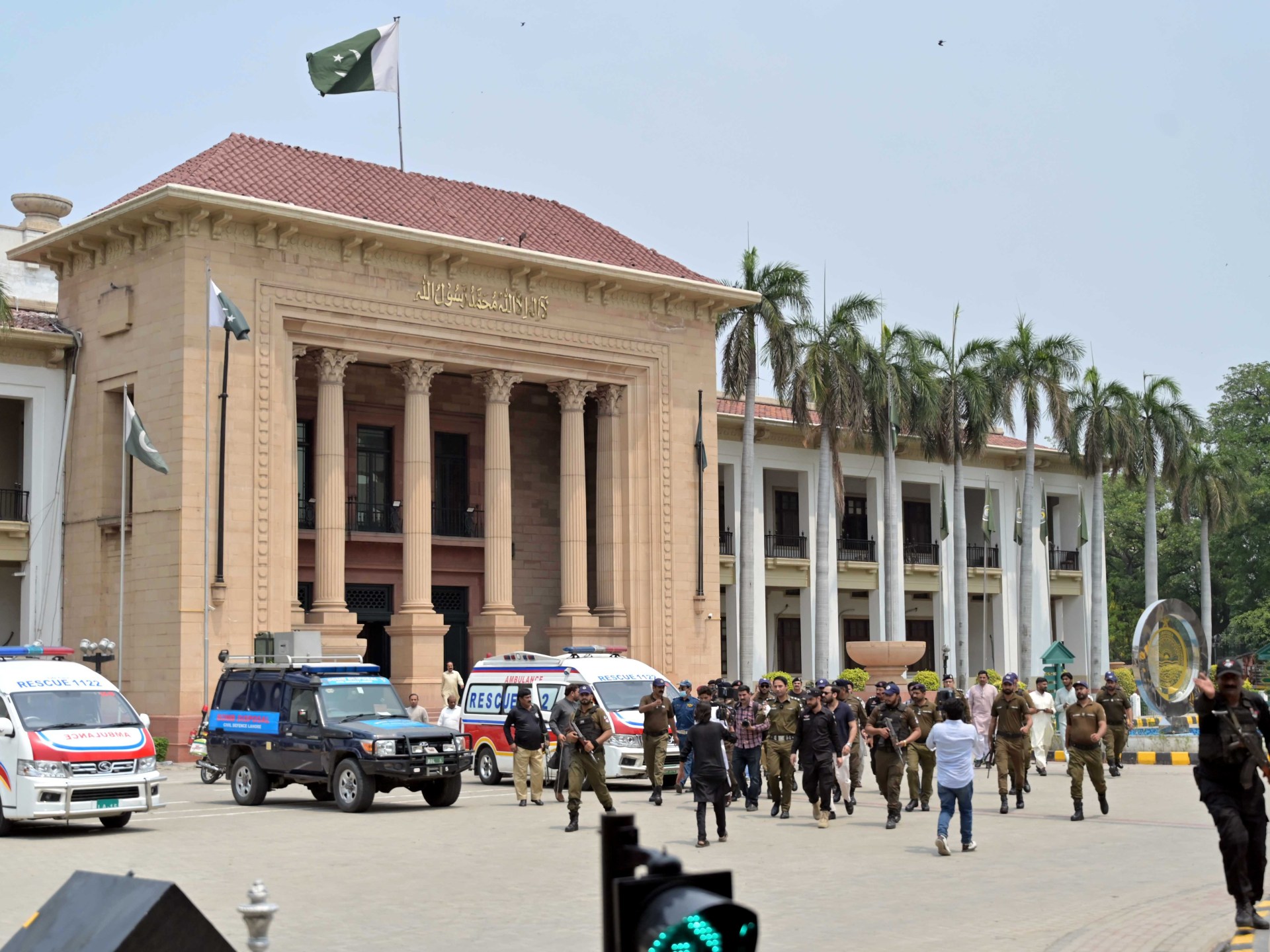
Punjab authorities have introduced procedures permitting closed-door terrorism trials with undisclosed judicial personnel, according to regional legal frameworks recently implemented. Under the system, a single unnamed official holds authority to order proceedings conducted by anonymous judges, prosecutors and witnesses, with no specified time restrictions on cases.
The mechanism removes standard transparency safeguards typically present in terrorism prosecutions. Defendants face proceedings where they cannot identify those adjudicating their cases or presenting evidence against them, preventing meaningful legal challenge or cross-examination of officials involved in their prosecution.
Judicial observers and rights organizations have expressed alarm at the framework's potential for misuse. The absence of public oversight, named judicial officers and temporal constraints creates conditions where due process protections become difficult to enforce or monitor. Cases could extend indefinitely without public knowledge of proceedings or verdicts.
Pakistan has long struggled with balancing security imperatives against judicial accountability in counterterrorism operations. Previous closed-door trial systems have faced international criticism for enabling extrajudicial practices and limiting defendants' access to legal representation. The Punjab measure represents a significant expansion of such confidential proceedings, with broader authority concentrated in unnamed officials and no documented timeline for case resolution.