Business · India Bureau
Punjab's groundwater depletion deepens economic and social inequality
A new study reveals that Punjab faces the most severe groundwater crisis among Indian states, with over three-quarters of its extraction blocks classified as over-exploited. The state's intensive cultivation of water-demanding crops is driving up farming costs and triggering environmental degradation.
LSN India ·
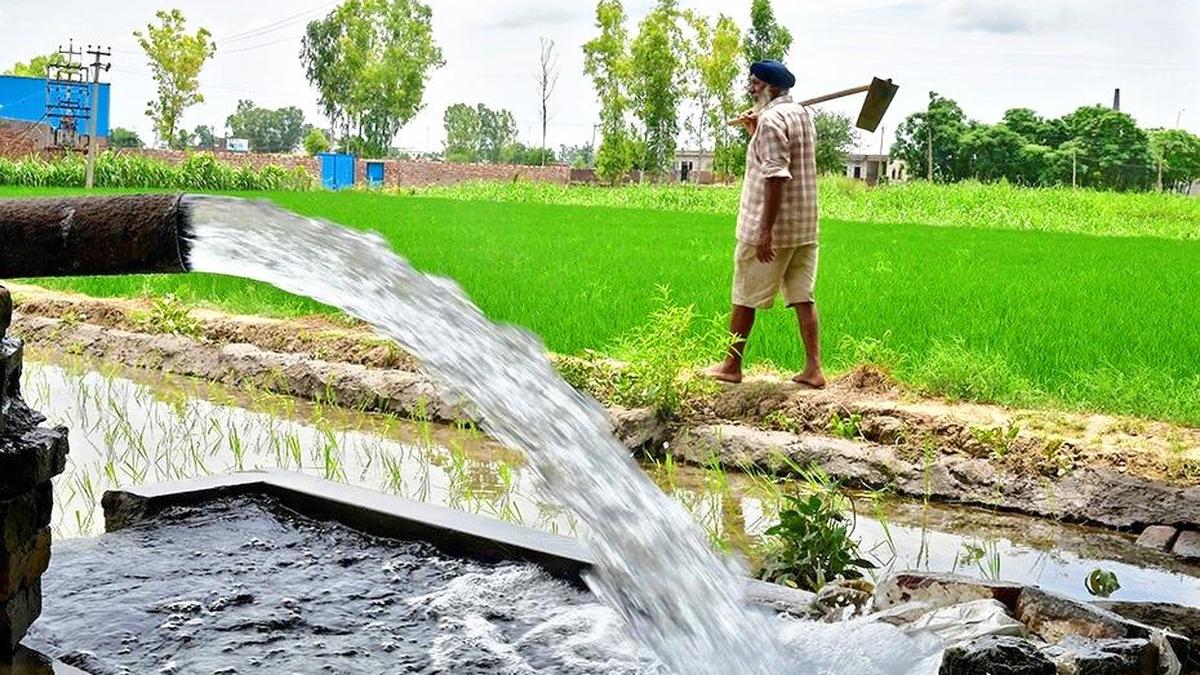
Punjab's groundwater crisis is widening the gap between affluent and economically vulnerable farming communities, according to recent research findings. The state accounts for 76.47 per cent of over-exploited groundwater blocks nationwide—the highest proportion among all Indian states—creating mounting pressures on agricultural sustainability and rural livelihoods.
The unsustainable extraction stems largely from Punjab's dependence on groundwater for cultivating water-intensive crops such as wheat and rice, which form the backbone of the state's agrarian economy. This heavy reliance has triggered a cascade of environmental and economic challenges that disproportionately affect smallholder farmers and marginal agricultural communities.
Farmers drilling deeper wells to access dwindling water reserves face escalating operational costs, straining household finances and reducing profitability. Simultaneously, excessive groundwater extraction is causing land subsidence in several regions while compromising water quality, threatening both current agricultural productivity and long-term food security.
The widening divide reflects how environmental degradation intersects with agricultural economics. Wealthier farmers can absorb rising well-drilling expenses and invest in alternative technologies, while poorer households lack resources to adapt, deepening rural inequality across the state.