World · Malaysia Bureau
Qatar's LNG shift signals historic realignment in global energy markets
Qatar's pivot towards US liquefied natural gas reflects a broader recalibration of energy dependencies in the Middle East, positioning America as a key beneficiary of changing geopolitical risk assessments in the region.
LSN Malaysia ·
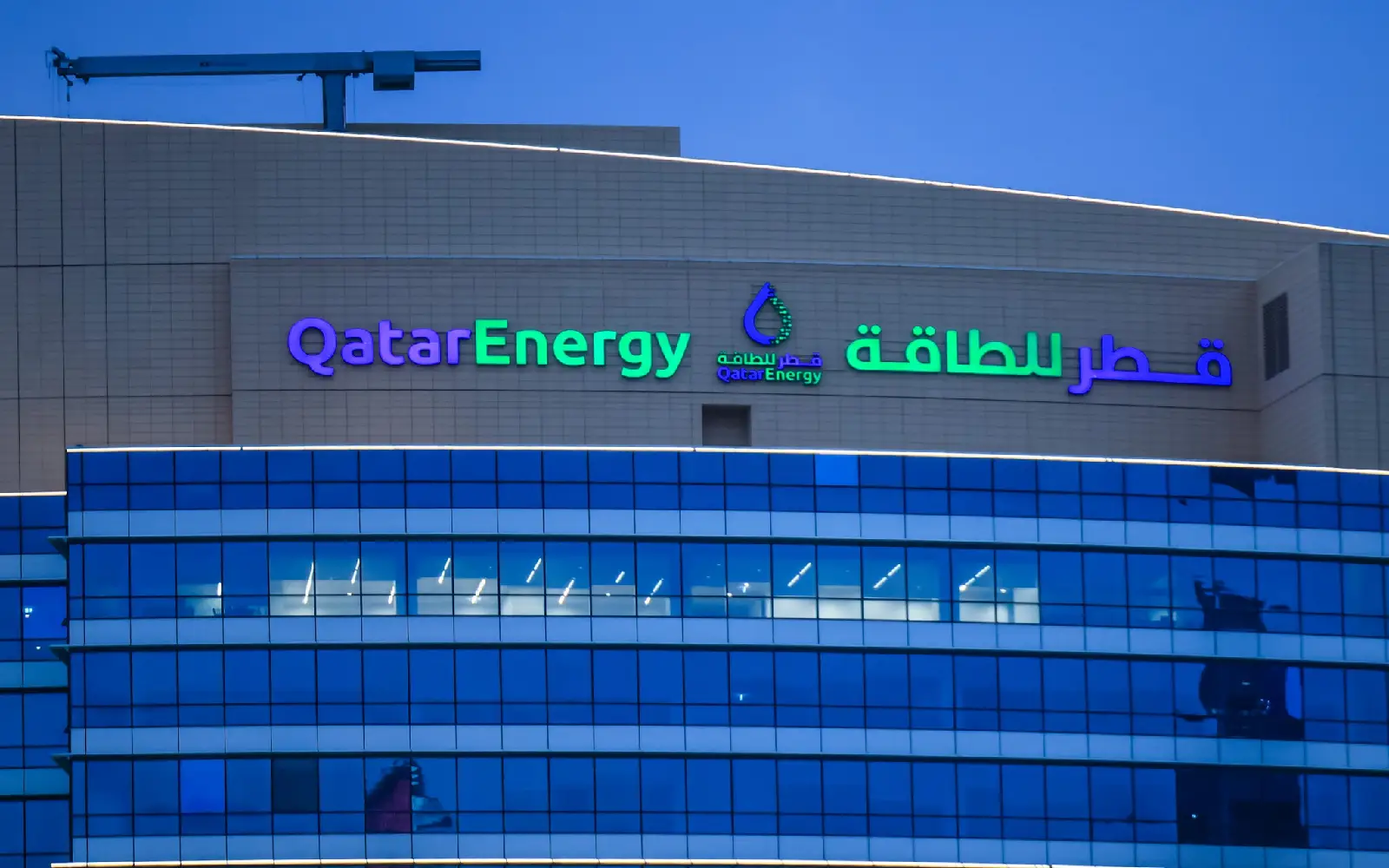
Qatar's strategic move to increase purchases of US liquefied natural gas marks a significant departure from traditional energy supply chains and underscores shifting perceptions of stability and reliability in global energy markets.
The Gulf state's decision represents more than a commercial transaction—it signals a fundamental reassessment of energy security priorities across the Middle East. As regional tensions and supply concerns persist, purchasers are increasingly diversifying away from traditional suppliers and towards more stable sources, with the United States emerging as a principal beneficiary of this recalibration.
This development reflects a historical reversal in energy relationships. Traditionally, the Middle East has served as the world's primary energy supplier, with Western nations dependent on regional producers. Now, American LNG producers are capturing significant market share from buyers seeking to mitigate geopolitical risks and ensure supply security.
The shift has broader implications for global energy dynamics. It demonstrates how geopolitical concerns can reshape commodity markets and influence long-term infrastructure investments, while reinforcing the strategic importance of diversified energy sourcing for major consuming nations throughout Asia and beyond.
As Qatar and other regional players recalibrate their energy strategies, the trend suggests sustained demand for US natural gas exports and a more multipolar energy landscape where American producers play an increasingly central role.