World · World News Bureau
Quad partners prepare for potential US policy shift on regional alliance
Japan, India and Australia are taking steps to strengthen their trilateral cooperation and reduce dependence on the Quad framework, amid uncertainty over the United States' continued commitment to the four-nation security grouping.
LSN World News ·
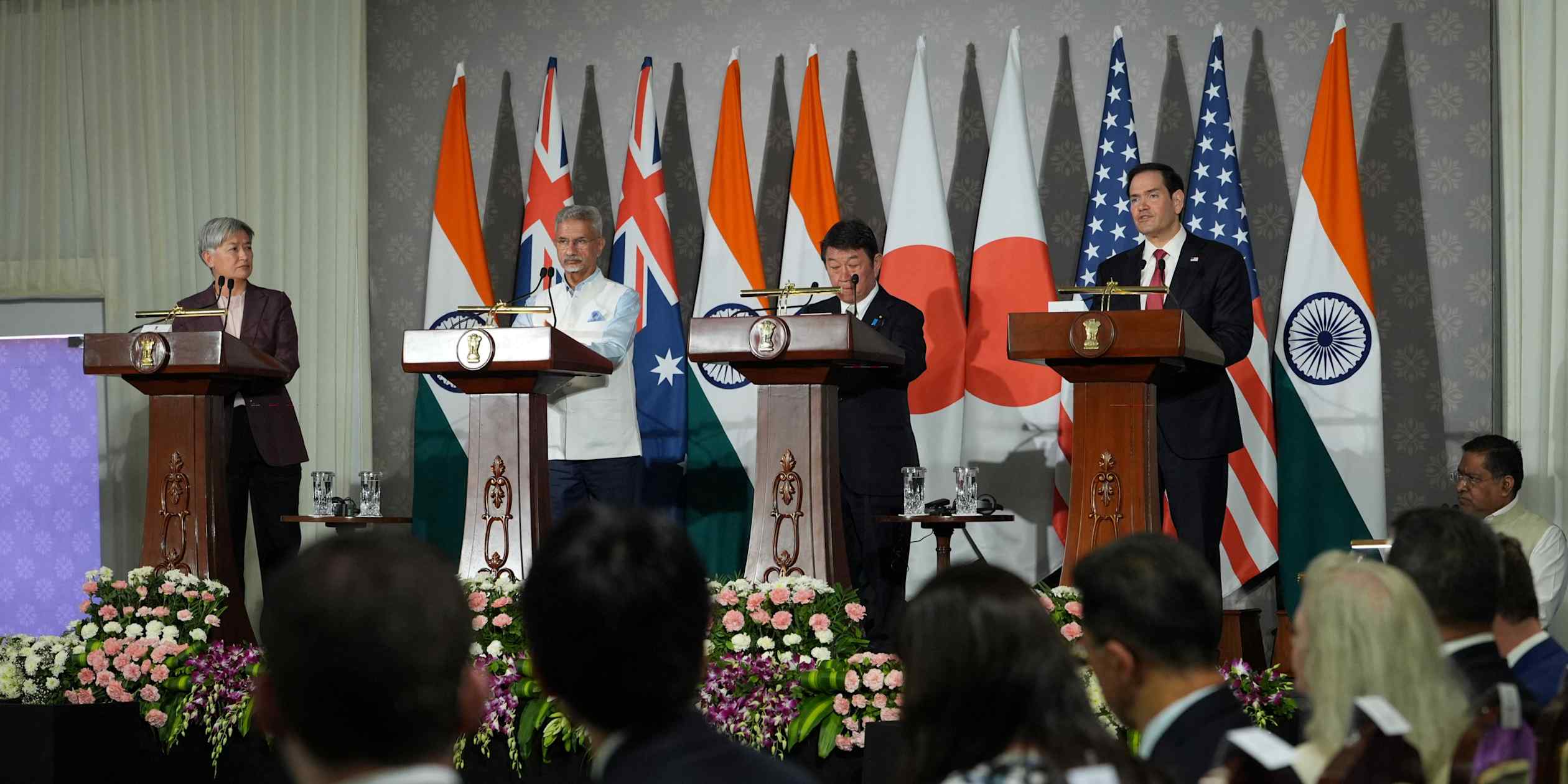
The three Indo-Pacific nations are exploring deeper bilateral and trilateral partnerships as geopolitical tensions in the region persist and questions mount regarding Washington's long-term engagement with the Quadrilateral Security Dialogue. Officials in Tokyo, New Delhi and Canberra have intensified discussions on defence cooperation, technology sharing and economic coordination independent of Quad mechanisms.
India has been particularly active in strengthening security ties with Japan and Australia, with defense officials from the three nations conducting joint exercises and strategic consultations. These initiatives reflect growing recognition that the alliance structure may need to evolve or that member states should cultivate alternative frameworks to ensure regional stability.
The moves come as the Trump administration signals a possible recalibration of US foreign policy priorities in Asia, raising concerns among Quad partners about sustained American involvement in regional security matters. Japan, which views China's military expansion as a direct threat, has moved to enhance its defence capabilities and strengthen partnerships with like-minded democracies across the region.
Australia and India have similarly prioritized expanding their strategic engagement, particularly in maritime security and counter-terrorism operations. The three nations have emphasized that strengthening individual bilateral relationships and developing autonomous capabilities would bolster regional resilience regardless of shifts in broader alliance structures.
Analysts note that these developments do not signal the end of the Quad framework but rather a pragmatic approach by member states to ensure their security interests are protected through multiple channels and partnerships.