World · Singapore Bureau
Quality friendships crucial to psychological development across life stages
Research underscores the pivotal role friendships play in shaping personality and mental wellbeing. Friends serve distinct functions at different periods of life, influencing how individuals develop psychologically and socially.
LSN Singapore ·
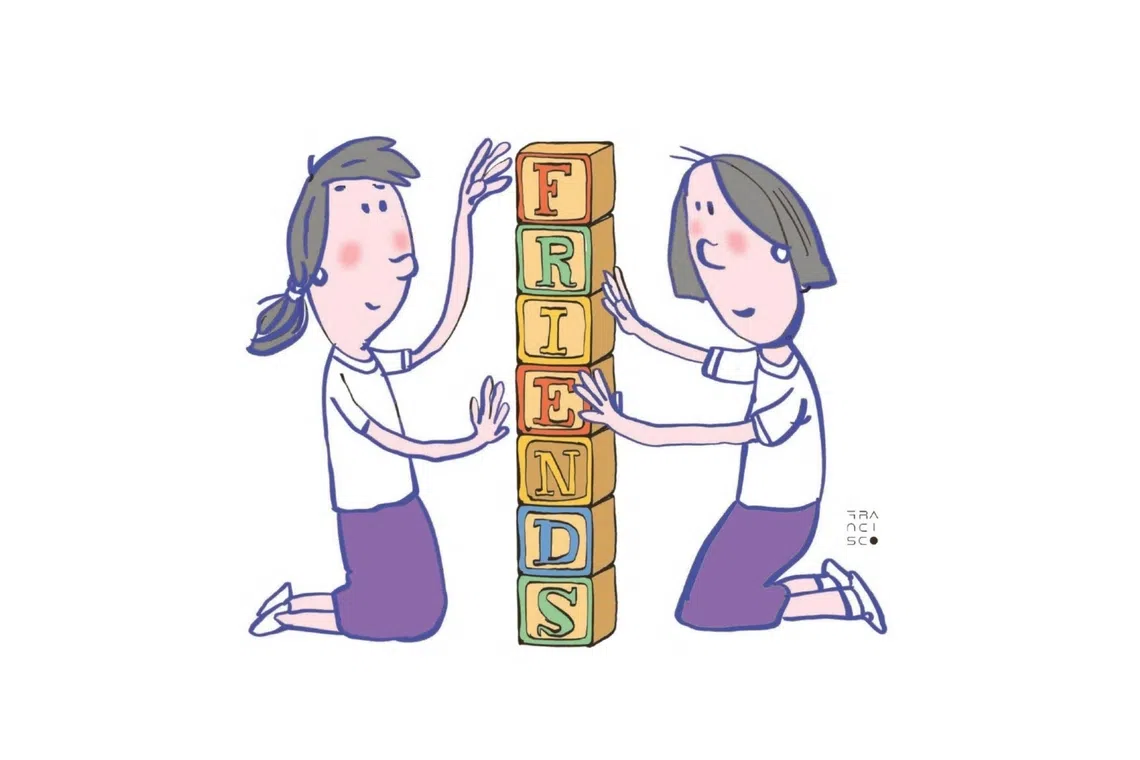
Friendships represent far more than casual social connections, functioning as a cornerstone of healthy psychosocial development throughout the human lifespan. The relationships individuals cultivate with peers significantly influence their emotional resilience, self-identity, and overall psychological wellbeing.
The nature and importance of friendships shift considerably as people progress through different life stages. During childhood and adolescence, peers provide essential support for developing social skills and establishing a sense of belonging. In adulthood, friendships often transition to offering emotional validation, practical assistance, and opportunities for personal growth.
Friends contribute to identity formation by providing mirrors through which individuals assess themselves and their values. Supportive friendships reinforce positive self-perception and encourage personal development, while the challenges friendships present—such as navigating conflicts or respecting differences—build interpersonal competence and emotional intelligence.
The quality rather than quantity of friendships appears most significant for psychological development. Genuine connections characterised by mutual trust and support provide greater benefit than numerous superficial relationships. As individuals progress through life, investing in meaningful friendships becomes increasingly important for maintaining mental health and life satisfaction.
Recognising the developmental importance of friendships underscores the value of nurturing quality relationships throughout life's various chapters.