World · India Bureau
Quarter of South Asian Trump voters shift to Democrats for midterms
A significant portion of South Asian American voters who supported Donald Trump in the 2024 presidential election are reconsidering their political allegiance ahead of upcoming midterm contests. The shift signals potential volatility in voting patterns among the demographically important community.
LSN India ·
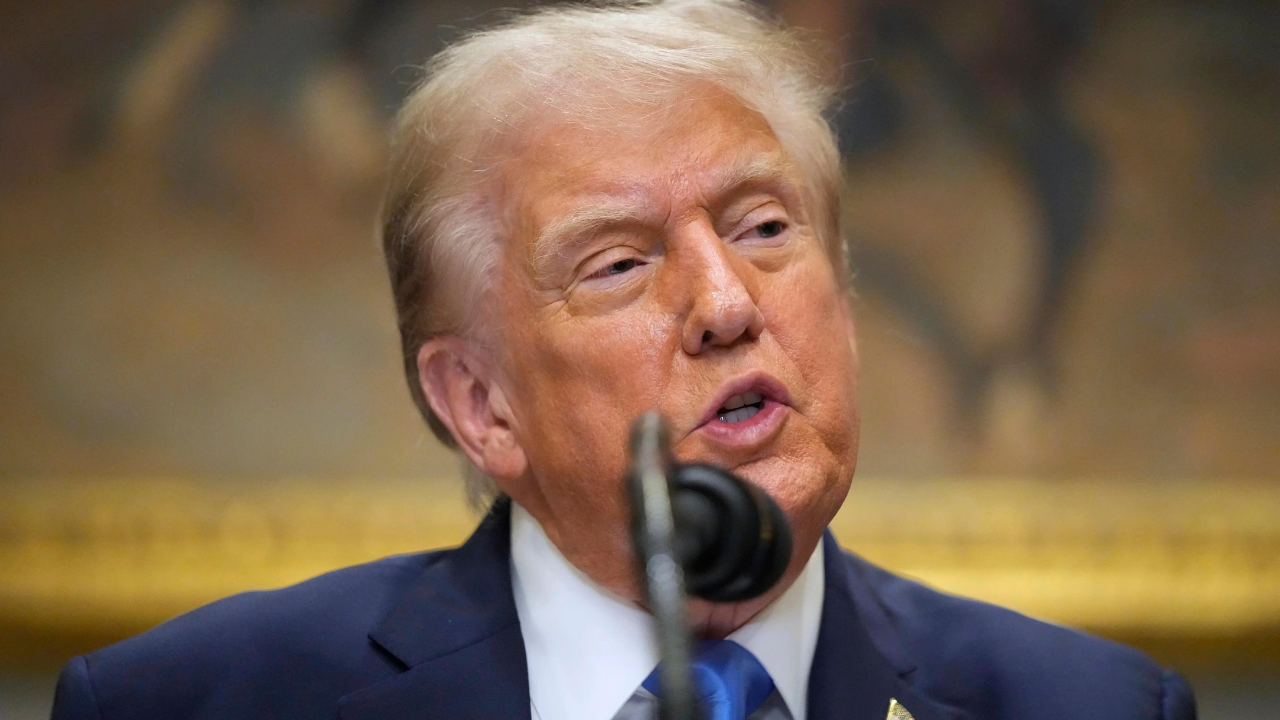
One in four South Asian American voters who backed Trump in the 2024 presidential election now intend to vote Democrat in midterm races, according to recent assessments of electoral trends. The shift underscores growing political realignment within the South Asian American electorate, a constituency that has shown increasing diversity in political preferences over successive election cycles.
The movement away from Republican support among this cohort may reflect dissatisfaction with Trump's policies or positions taken after the presidential election. South Asian Americans, encompassing voters of Indian, Pakistani, Bangladeshi, Sri Lankan, and other South Asian origins, have historically demonstrated strong engagement in electoral politics while maintaining varied political affiliations.
The data points to broader patterns of political fluidity among Asian American communities more generally, where voting preferences have shifted considerably in recent years. Political analysts have noted that South Asian Americans represent a growing and increasingly consequential voting bloc, particularly in competitive congressional districts across several U.S. states.
The midterm contests will test whether this reported shift translates into actual voting behavior changes. Democratic and Republican strategists have increasingly focused on courting South Asian American voters, recognizing their potential to influence outcomes in key races. The community's electoral choices could have implications for representation of South Asian interests in Congress and broader American political priorities.