World · India Bureau
Quartz versus nano white: Which kitchen countertop offers better durability?
Indian homeowners weighing options for kitchen countertops face a choice between quartz and nano white surfaces, each with distinct advantages and drawbacks. The materials differ significantly in heat resistance, durability, aesthetics, maintenance requirements and cost.
LSN India ·
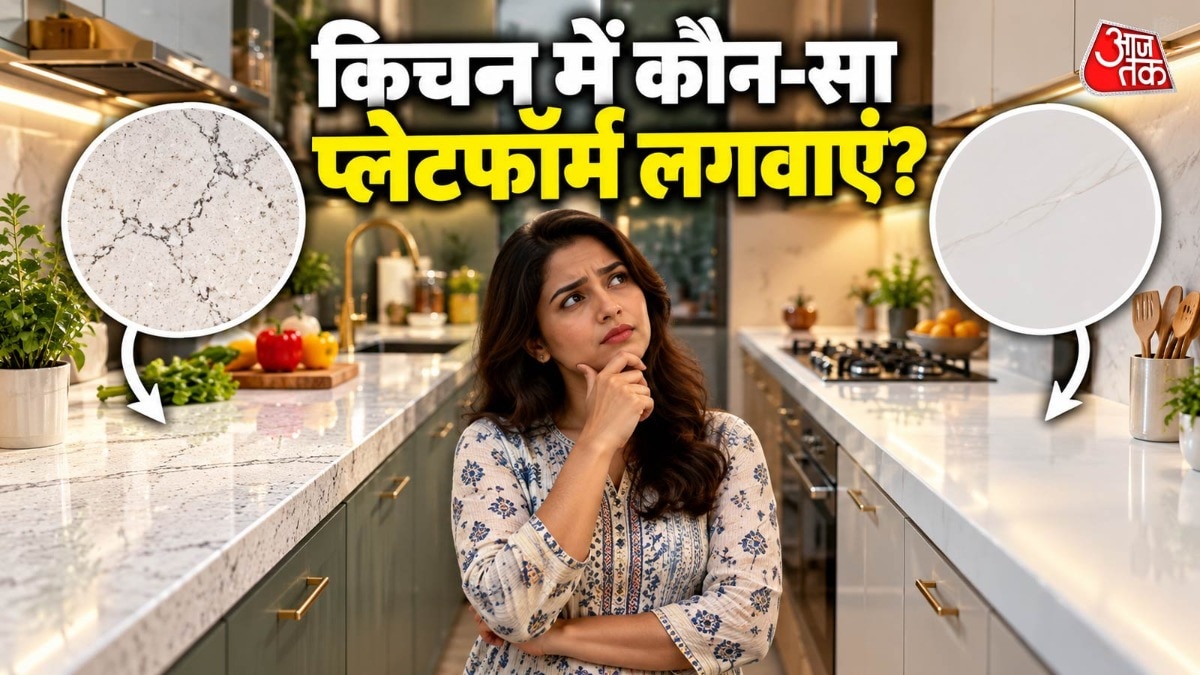
Both quartz and nano white have emerged as popular choices for modern Indian kitchens, offering aesthetic appeal and functional benefits. However, prospective buyers should carefully evaluate their properties before making a purchase decision.
Quartz countertops are engineered stone surfaces composed primarily of quartz crystals bonded with resins. They offer superior heat resistance compared to nano white and are highly resistant to staining and scratching. Quartz requires minimal maintenance and does not need sealing, making it a practical choice for busy households. The material provides versatile design options and a consistent appearance across slabs.
Nano white surfaces, typically a type of engineered stone or vitrified material, offer a contemporary aesthetic with distinctive white tones and patterns. These countertops are generally more affordable than quartz alternatives and provide good durability for everyday kitchen use. However, nano white surfaces may be more susceptible to heat damage and require more frequent maintenance to preserve their appearance.
When selecting between these options, Indian homeowners should consider their cooking habits, budget constraints, and aesthetic preferences. Those who frequently use high-heat cookware may find quartz more suitable, while budget-conscious buyers might prefer nano white surfaces. Proper installation by qualified professionals and adherence to manufacturer maintenance guidelines will extend the lifespan of either countertop material.