Technology · India Bureau
Questions linger over accuracy of Bengaluru's AI traffic enforcement system
As India's tech hub deploys artificial intelligence for traffic policing, concerns about precision and fairness have emerged. Experts are examining how the system identifies violations, generates penalties, and handles disputed cases.
LSN India ·
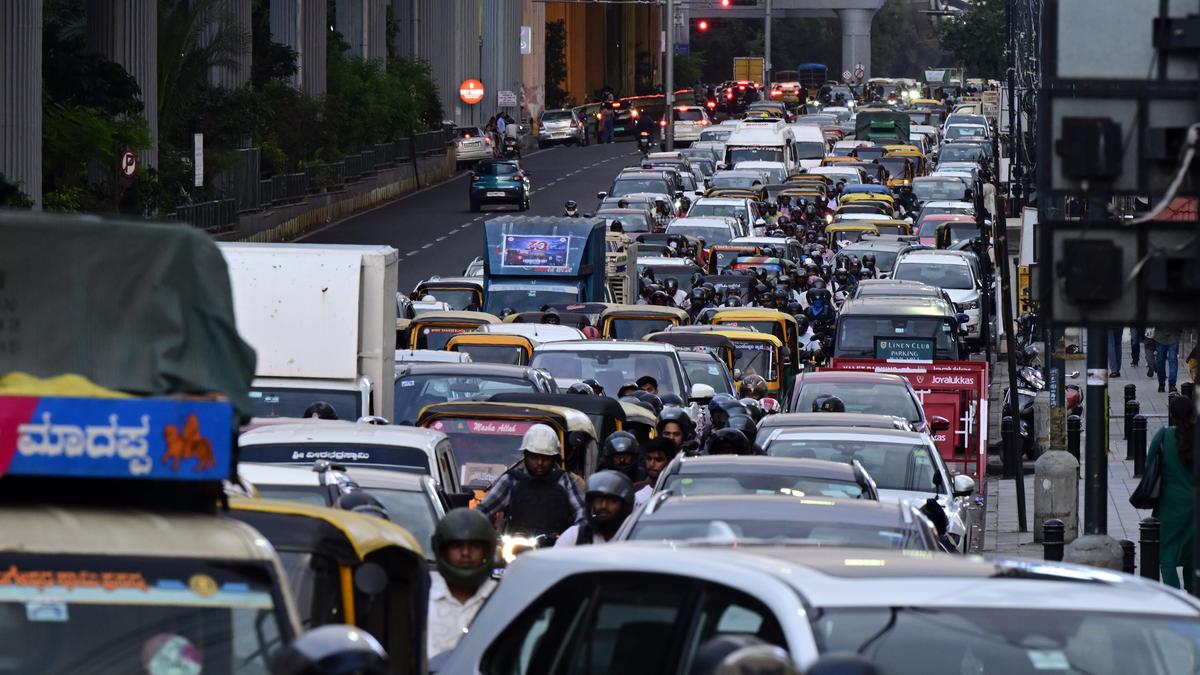
Bengaluru's Intelligent Traffic Management System represents a significant shift toward automated enforcement on Indian roads, but questions about its reliability have gained traction among commuters and traffic safety advocates. The AI-powered system, deployed across the city's busy intersections and thoroughfares, relies on computer vision technology to identify traffic violations and generate digital challans without human intervention at the point of detection.
The system's accuracy remains a central concern for residents challenging penalties. While the technology is designed to detect common violations—jumping red lights, wrong-way driving, and lane violations—reports suggest it occasionally flags incidents incorrectly or captures vehicles already cleared to proceed. The automated challans generated through this system carry the same legal weight as those issued by traffic officers, placing the burden on violators to prove their innocence rather than the enforcement agency proving guilt.
The Bengaluru Traffic Police has established a process for contesting erroneous cases, allowing citizens to appeal through dedicated portals or officer review. However, the complexity of the appeals mechanism and delays in resolution have frustrated many residents who received tickets they believe were unjustified. The process typically requires evidence submission and verification before challans are withdrawn.
As more Indian cities consider adopting similar AI-driven traffic systems, traffic experts emphasize the need for transparent protocols, regular system audits, and accessible dispute resolution mechanisms. Balancing automation's efficiency with fairness and accuracy will be crucial for public acceptance of such technology in law enforcement across India's densely populated urban centers.