Culture & Entertainment · India Bureau
Raccoons Continue Puzzle-Solving Even After Food Reward Disappears
A University of British Columbia study reveals that raccoons possess a remarkable drive to solve complex puzzles beyond mere hunger satisfaction, suggesting their problem-solving abilities extend to pure exploration and cognitive engagement.
LSN India ·
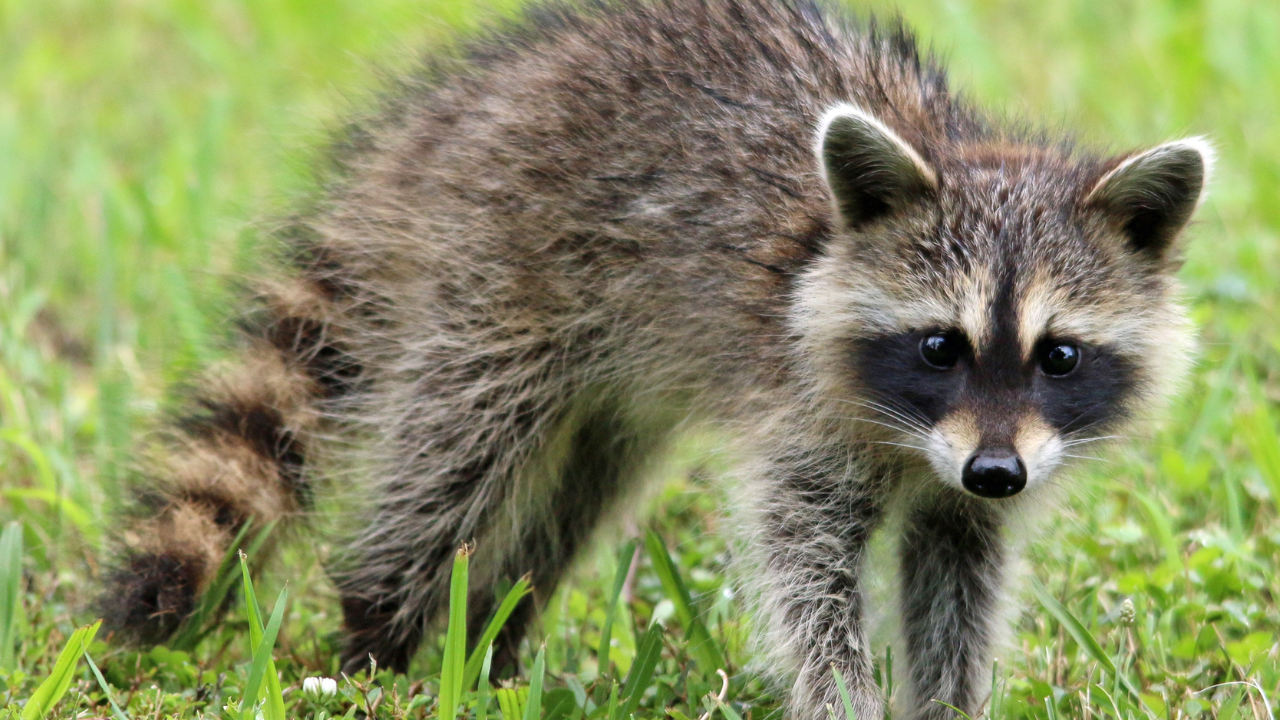
Researchers at the University of British Columbia conducted an analysis of captive raccoons' cognitive abilities using a specially designed nine-way puzzle box, uncovering surprising insights into animal behavior and intelligence. The custom-built box featured multiple entry points of varying difficulty levels, enabling the animals to engage in progressive problem-solving tasks.
The study's most striking finding was that raccoons continued attempting to solve the puzzles even after consuming the food reward contained within them. This persistence in puzzle engagement after the primary motivation—obtaining food—had been satisfied suggests that raccoons are driven by more than simple hunger-motivated behavior.
The research highlights raccoons' innate exploratory behavior and their capacity for cognitive challenge beyond survival necessities. This adaptability and curiosity likely contribute significantly to the species' documented success in urban environments, where they must constantly navigate novel situations and overcome human-designed obstacles to access resources.
The findings underscore the complexity of raccoon cognition and their ability to engage in problem-solving as an end in itself, rather than purely as a means to sustenance. Such behavioral traits may explain why raccoons have become increasingly adept at thriving in cities across North America and other regions.