World · India Bureau
Radha Ashtami 2026: Date, auspicious timing and worship rituals explained
Radha Ashtami, one of Hinduism's most significant observances, falls on the eighth day of the bright fortnight in the month of Bhadrapada each year. The festival is celebrated 15 days after Krishna Janmashtami and holds special importance in Hindu religious tradition.
LSN India ·
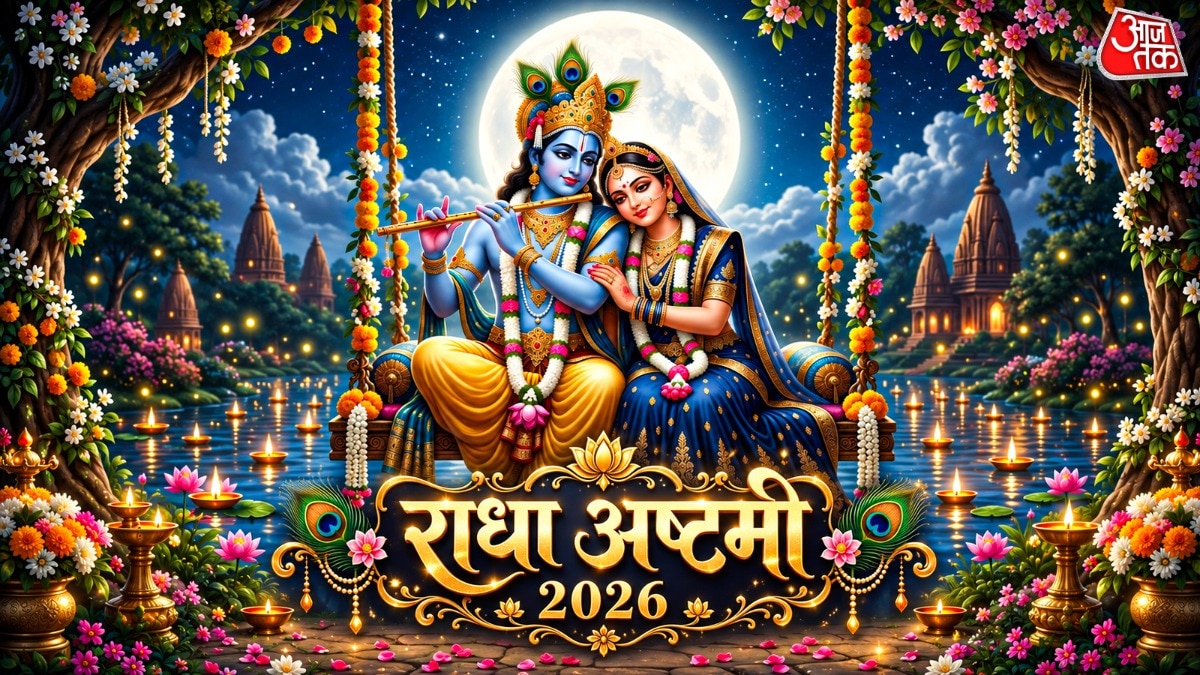
Radha Ashtami, also known as Radhika Ashtami or Radha Jayantikotosav, marks the birth anniversary of Radha, the divine consort of Lord Krishna. Observed on the eighth lunar day (ashtami tithi) of Bhadrapada's bright fortnight, the festival is deeply revered across Hindu communities in India and abroad.
The observance occurs precisely 15 days after Krishna Janmashtami, placing it firmly within the monsoon season when devotional activities traditionally intensify. Devotees mark the occasion through prayer, meditation, and ritualistic worship practices dedicated to Radha, who is venerated as an embodiment of divine love and devotion in Hindu philosophy.
Worship on Radha Ashtami typically involves early morning rituals, with devotees observing fasts and performing prayers at temples and home shrines. The specific auspicious timing (muhurat) for worship varies based on local astronomical calculations and regional traditions, making consultation of Hindu calendars or religious authorities advisable for determining exact observance times in individual locations.
The festival carries particular significance in Krishna-centric traditions, particularly among followers of Radha-Krishna devotional practices prevalent across North and Central India. Through Radha Ashtami celebrations, devotees seek spiritual connection and reflect on the themes of eternal love and supreme devotion central to Hindu theological teachings.