World · India Bureau
Radha Astami 2026: Puranic accounts of divine love and separation
As devotees prepare to celebrate Radha Astami, the birth anniversary of Radha, religious texts offer insights into the legendary bond between the divine consort and Lord Krishna. According to Hindu scriptures, their relationship transcended earthly love during Krishna's time in Vrindavan.
LSN India ·
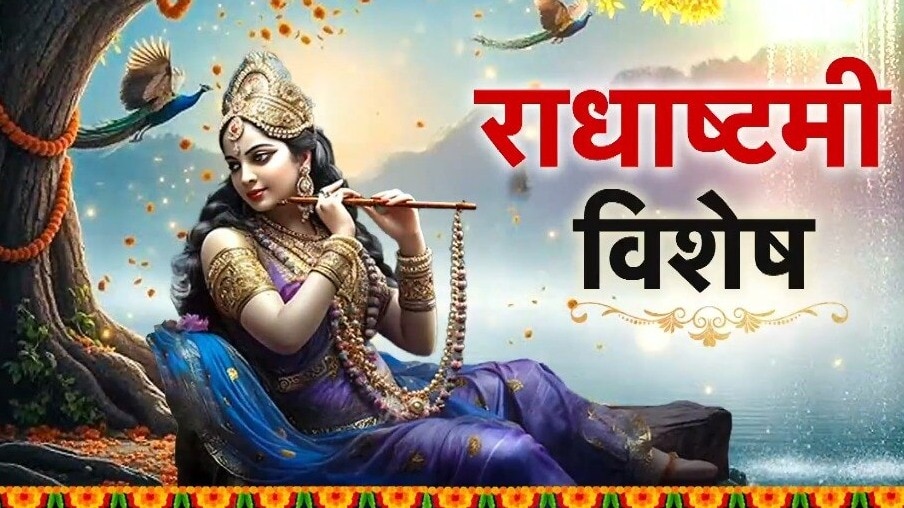
The life and times of Radha, the beloved consort of Lord Krishna, remain central to Hindu devotional tradition, with Radha Astami marking her birth anniversary. Ancient Puranic texts describe an extraordinary spiritual connection between Radha and Krishna during his years in Vrindavan, where the deity is believed to have spent his formative years among the cowherd community.
According to traditional accounts preserved in Hindu scriptures, Krishna's melodious flute-playing would draw the gopis, or cowherd women, from their daily tasks. Radha is revered as the foremost among these devotees, symbolizing the soul's yearning for divine union. The texts suggest their meetings in Vrindavan represented a divine love transcending material bonds.
Following Krishna's departure from Vrindavan to Mathura and later Dwarka, the Puranic narratives describe a period of profound separation and longing among the gopis, with Radha experiencing particular anguish. However, classical Hindu texts offer varying accounts regarding the specifics of Radha's life and ultimate fate, with details differing across regional traditions and different Puranic sources.
The veneration of Radha has evolved significantly through medieval devotional movements, particularly in Eastern India, where she gained prominence as an independent deity worthy of worship. Radha Astami celebrations across India reflect this deep-rooted spiritual significance, with devotees commemorating her divine love and unwavering devotion through prayer and religious observances.