World · India Bureau
Rahman's Ramayana composition sparks debate over qawwali authenticity
A musical composition by renowned composer A.R. Rahman has triggered discussions about the appropriateness of qawwali traditions in Ramayana-themed work, raising questions about cultural authenticity and artistic liberty in Indian cinema.
LSN India ·
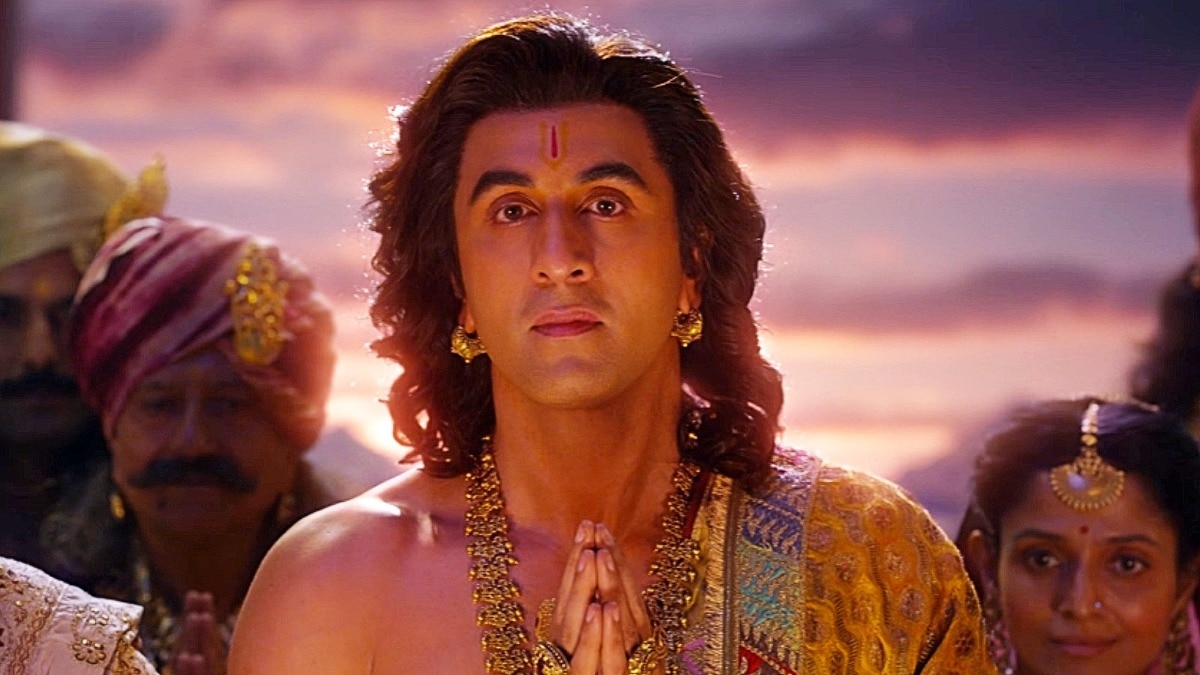
The release of a Ramayana-themed song featuring qawwali elements has ignited a conversation among music critics and cultural observers about whether the genre fusion represents creative innovation or a contentious cultural crossover. A.R. Rahman, one of India's most celebrated composers, has faced scrutiny from traditionalists who argue that qawwali—a devotional form rooted in Islamic Sufi traditions—may not be the appropriate medium for depicting Hindu epic narratives.
Proponents of Rahman's approach contend that the Indian music landscape has long been characterized by cross-cultural synthesis and that genre boundaries need not be rigidly maintained in contemporary compositions. They argue that Rahman's artistic vision should be evaluated on its musical merits rather than subjected to strict categorical judgments about what constitutes culturally authentic expression.
Detractors, however, maintain that such decisions warrant deeper examination, particularly when they involve sacred narratives and established musical traditions. The debate reflects broader tensions within India's cultural sphere regarding the balance between artistic freedom and respect for traditional forms. Some observers question whether the composer's international stature and compositional expertise provide sufficient justification for such genre experimentation.
The controversy underscores ongoing discussions in Indian music and cinema about how artists navigate cultural boundaries while maintaining artistic integrity. Rahman's body of work—which spans multiple genres and religious themes—has previously demonstrated his ability to synthesize diverse musical traditions, though this particular composition has proven more divisive among audiences and critics alike.