World · India Bureau
Railway modernisation leaves platform porters struggling with vanishing livelihoods
India's railway modernisation drive over the past decade and a half has dramatically reduced demand for porters, with improved infrastructure and traveller habits threatening the survival of this traditional occupation.
LSN India ·
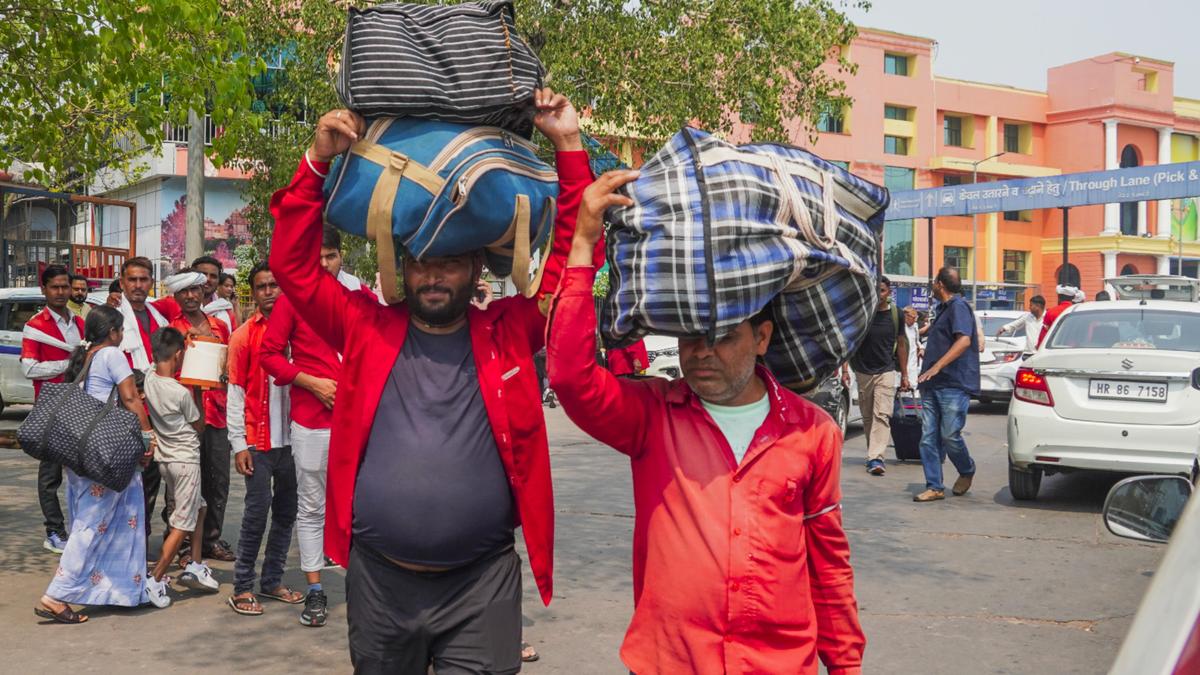
Railway stations across India have undergone significant transformation in recent years, with new lifts, escalators and modern facilities becoming commonplace at major terminals. However, this modernisation has come at a steep cost for thousands of platform porters who have traditionally depended on ferrying passenger luggage for their livelihoods.
The shift in passenger behaviour, driven partly by the prevalence of wheeled suitcases and carry-on baggage, combined with self-service infrastructure improvements, has substantially eroded the economic opportunities available to porters. Workers in Uttar Pradesh and other states report that the volume of porter work has plummeted over the past 15 years, leaving many struggling to sustain their families.
Porters, who have long been integral to the informal economy operating within railway stations, now face an increasingly bleak employment landscape. The combination of technological advancement and changing travel patterns has made their services less essential, forcing many to seek alternative work or accept significantly reduced earnings.
Railway authorities have largely focused their modernisation efforts on passenger convenience and operational efficiency, with little consideration for the socio-economic impact on traditional workers. As India's railways continue their upgrade cycle, questions remain about whether the government will develop retraining programmes or alternative livelihood schemes for displaced porters.