World · India Bureau
Rajasthan farmers embrace sandalwood cultivation traditionally associated with South India
Farmers in Alwar district are diversifying from conventional agriculture to sandalwood farming, replicating cultivation methods long established in southern Indian states. The shift has gained momentum with over 10,000 sandalwood saplings already planted across the region.
LSN India ·
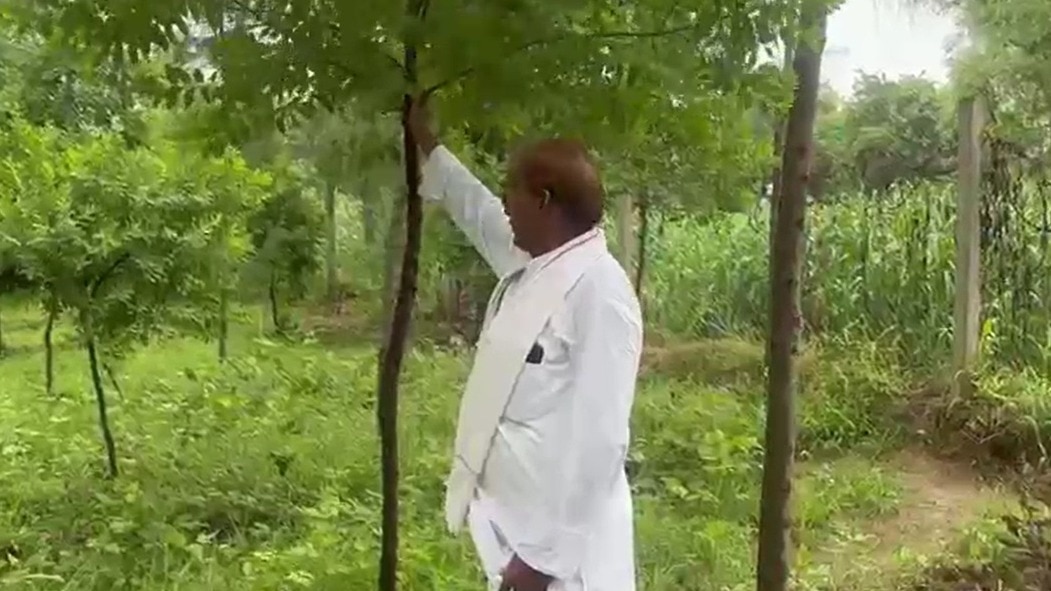
Farmers in Rajasthan's Alwar district are increasingly turning to sandalwood cultivation, a crop historically synonymous with southern India, as they seek alternatives to traditional farming methods. The transition underscores a broader trend of agricultural diversification in the state.
Ramkrishna Meena, a farmer from Malawali village in Laxmangarh block, pioneered the initiative by planting 300 sandalwood saplings on his farmland. Meena adopted a meticulous approach, first sending soil samples from his field to Delhi for comprehensive testing. Based on the laboratory findings, he arranged for saplings to be cultivated in Bangalore using soil conditions matching his farmland's composition. Once the plants reached 4-5 feet in height, they were transported to Rajasthan for transplantation.
Meena's success has inspired neighbouring farmers to embrace sandalwood farming. The Alwar region now hosts more than 10,000 sandalwood plants, according to local agricultural data. The shift reflects farmers' recognition of the crop's commercial potential and relatively stable market demand.
Sandalwood, traditionally cultivated in Karnataka and other southern states, requires specific soil conditions and climate considerations. The successful adaptation in Rajasthan demonstrates that appropriate soil preparation and plant nursery management can enable cultivation in non-traditional regions, potentially creating new income opportunities for farmers seeking to move beyond conventional crops.