World · India Bureau
Rajasthan's Bold Bid to Save Critically Endangered Great Indian Bustard
Wildlife officials in Rajasthan are attempting to breed and release critically endangered Great Indian Bustard chicks into the wild, marking a high-stakes gamble to save the species from extinction. The initiative raises critical questions about survival rates and habitat preservation in the state's arid regions.
LSN India ·
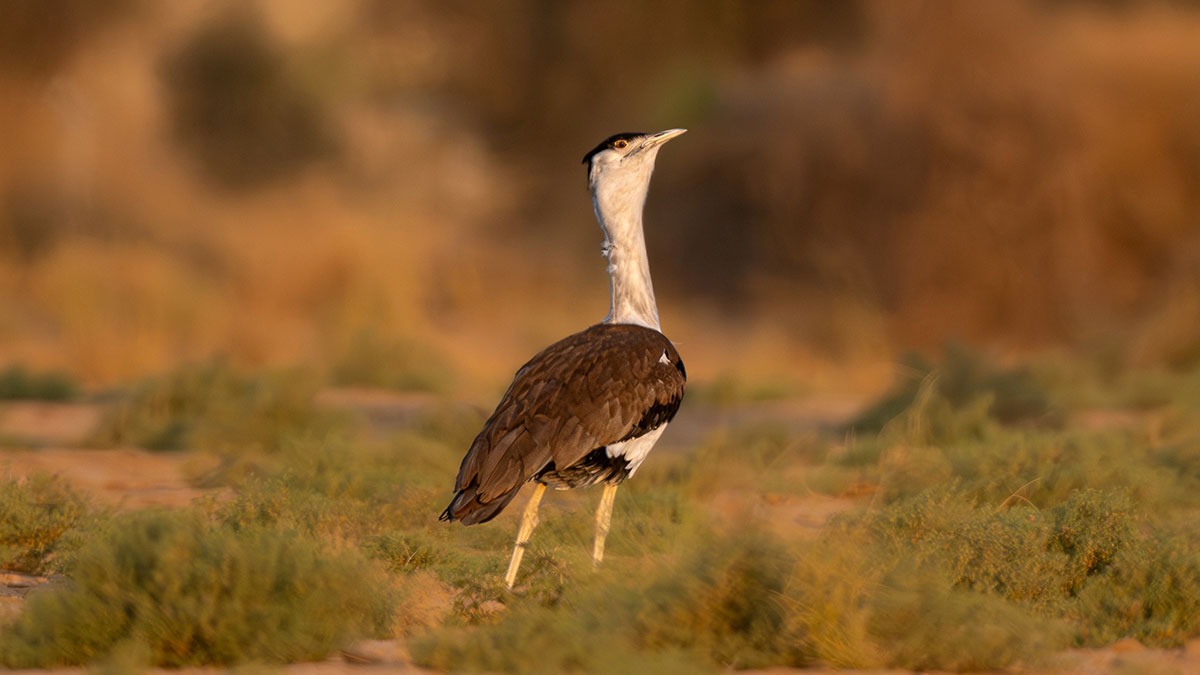
Rajasthan has launched an ambitious captive breeding programme aimed at reintroducing Great Indian Bustard chicks to their natural habitat, in what conservationists view as a crucial last-ditch effort to prevent the species' extinction. The programme, centred in the state's desert regions, represents one of India's most challenging wildlife recovery initiatives, with officials banking on successful breeding and adaptation of young birds to the wild.
The Great Indian Bustard, once widespread across the Indian subcontinent, has been decimated by habitat loss, poaching, and collisions with power lines. Fewer than 250 birds are believed to remain in the wild, concentrated largely in Rajasthan's protected areas. The species is classified as critically endangered, making any conservation breakthrough significant for India's biodiversity goals.
State wildlife authorities acknowledge the inherent risks involved in releasing captive-bred chicks into an environment fraught with natural predators and human-induced threats. Success will depend on multiple factors, including adequate habitat protection, minimising collision risks from electrical infrastructure, and ensuring sufficient food availability across foraging grounds. Officials have implemented measures to monitor released birds closely and manage threats in designated reserve areas.
The initiative underscores both India's commitment to species conservation and the formidable challenges facing wildlife protection efforts. While breeding programmes offer a potential lifeline for the bustard, experts emphasise that long-term survival hinges equally on broader habitat management and addressing threats to wild populations. The coming months will be critical in determining whether captive-bred chicks can successfully establish themselves in Rajasthan's arid landscape.